 Pin It
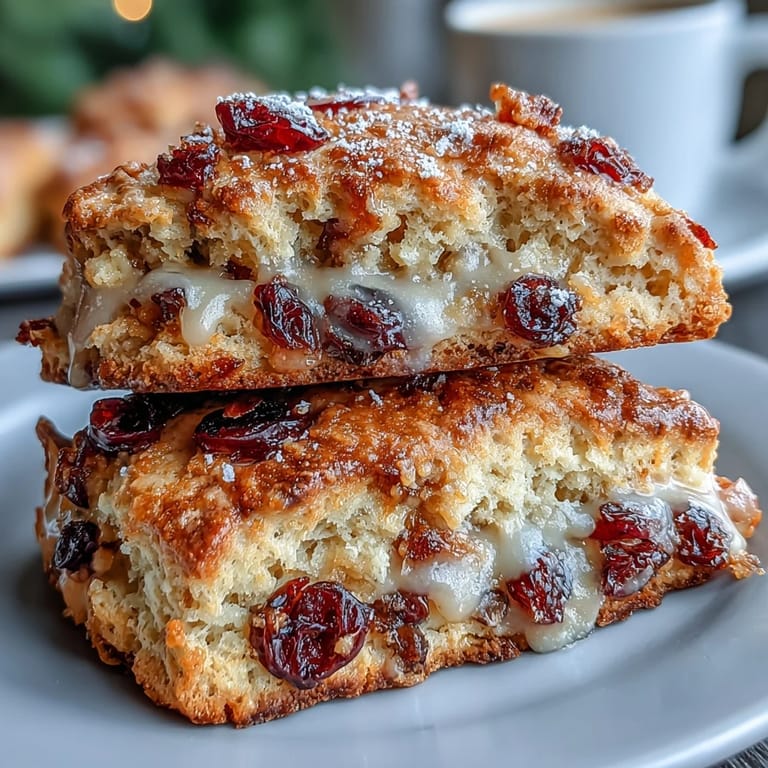
 My neighbor surprised me with homemade scones one February morning, and I watched her pull them from the oven—golden, fragrant with orange, studded with jewel-bright cranberries. I'd never attempted scones before, convinced they required some British baking secret I didn't possess. But tasting one still warm, with that perfect tender crumb and the brightness of candied citrus cutting through the richness, I was hooked. That afternoon I called her back and asked for the recipe, determined to recreate that moment in my own kitchen.
I made these for my book club's Valentine's gathering, and watching three different people reach for seconds without hesitation told me everything I needed to know. One friend kept talking about the texture—how it wasn't dry like some scones can be—while another was quietly rationing the orange glaze because she wanted it to last. That's when I realized these scones had crossed over from being just breakfast food into something that actually brings people together.
Ingredients
- All-purpose flour (2 cups): The foundation of your scone; make sure it's fresh because old flour can make them tough and dense.
- Granulated sugar (1/4 cup): Just enough sweetness to balance the tart cranberries without making them a dessert.
- Baking powder (1 tablespoon): This is what gives scones their signature tender lift—don't skip or reduce it.
- Fine sea salt (1/2 teaspoon): A pinch that amplifies all the other flavors and keeps things from tasting one-dimensional.
- Dried cranberries (1/2 cup): Their tartness is essential; if you can only find very sweet ones, rinse them briefly to reduce the sugar coating.
- Candied orange peel (1/3 cup, finely chopped): The star of the show—quality matters here, so choose pieces that smell bright and aren't rock-hard.
- Orange zest (from 1 orange): Fresh zest adds a living citrus note that dried peel alone can't quite capture.
- Cold unsalted butter (1/2 cup, cubed): Cold is non-negotiable; warm butter won't create those flaky layers you're after.
- Heavy cream (2/3 cup, plus extra for brushing): The cream is your moisture agent and creates richness; don't substitute with milk or you'll notice the difference.
- Large egg (1): Acts as a binder and helps with browning on top.
- Pure vanilla extract (1 teaspoon): A subtle background note that makes everything taste more complex.
- Powdered sugar (1/2 cup, optional for glaze): Creates a delicate sweet finish if you want it.
- Fresh orange juice (1–2 tablespoons, optional for glaze): Keeps the glaze from being overly sweet and ties back to the orange theme.
Tired of Takeout? 🥡
Get 10 meals you can make faster than delivery arrives. Seriously.
One email. No spam. Unsubscribe anytime.
Instructions
- Set your oven and prep:
- Turn the oven to 400°F and line your baking sheet with parchment—this prevents sticking and makes cleanup almost effortless. If your sheet is old and warped, use two stacked sheets so your bottoms don't brown too fast.
- Combine the dry base:
- Whisk flour, sugar, baking powder, and salt together in a large bowl, making sure there are no lumps hiding in the corners. This aeration helps them distribute evenly so every scone has consistent rise.
- Cut in the cold butter:
- Add your cold butter cubes and use a pastry cutter, two forks, or your fingertips to work it in until the mixture looks like coarse breadcrumbs with pea-sized pieces still visible. You want those little butter pockets to stay distinct—that's what creates the flaky texture when heat hits them.
- Fold in the fruit and zest:
- Gently stir the cranberries, candied orange peel, and fresh orange zest into the crumbly mixture, distributing them evenly so you don't end up with orange clumps in one scone and none in another.
- Make and combine the wet ingredients:
- Whisk together the cream, egg, and vanilla in a separate bowl until smooth and slightly pale. Pour it over the dry ingredients and fold everything together with a spatula or wooden spoon until just barely combined—stop as soon as you don't see dry flour streaks, because overmixing develops gluten and makes tough scones.
- Shape the dough:
- Turn the shaggy dough onto a lightly floured surface and gently pat it into a disc about 1 inch thick, handling it as little as possible. Cut it into 8 wedges like you're slicing a pizza, working cleanly so the edges stay as intact as possible.
- Brush and bake:
- Arrange the wedges on your parchment-lined sheet with a little space between each one, then brush the tops with extra cream for that gorgeous golden shine. Bake for 16–18 minutes until they're a warm golden brown and smell absolutely intoxicating.
- Cool and finish:
- Let them rest on a wire rack for a few minutes so the outsides set slightly and the steam releases. If you're glazing them, whisk powdered sugar and orange juice until smooth and drizzle over cooled scones—the glaze will harden into a delicate shell.
 Pin It
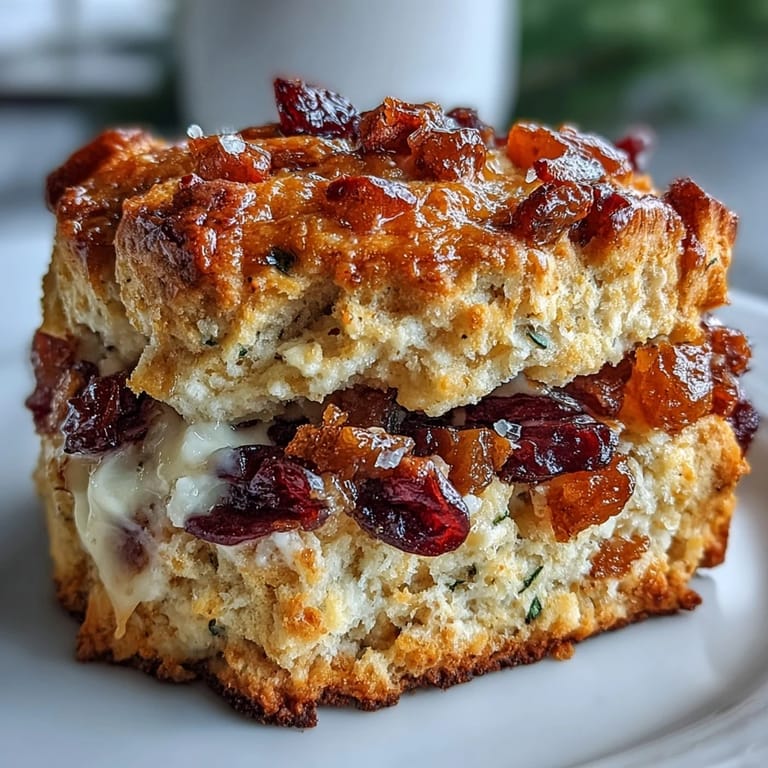
Last month I brought a batch to my mom's house, still warm in a cloth-lined basket, and my teenage nephew—who normally picks at everything—ate three in quiet succession and asked if I could make them every time he visits. It's become our thing now, this small ritual between family members, and I never imagined a breakfast pastry could carry that kind of meaning.
Why Scones Matter at Brunch
There's something about offering someone a warm scone that feels like hospitality itself—not fussy or intimidating, but genuinely generous. They sit right in that perfect middle ground between a quick muffin and a full pastry project, so you can make them feel special without turning your kitchen upside down. I've noticed that scones give people permission to linger at the table a little longer, to pour another cup of tea, to continue the conversation instead of rushing off.
The Secret to Perfect Texture
The difference between a mediocre scone and one that makes people close their eyes and smile comes down to one word: restraint. Not in the ingredients—be generous with that candied orange and those cranberries—but in the handling. Every time you touch the dough, you're activating gluten strands that will make it tougher, so treat it like something fragile that you're trying not to disturb. I learned this the hard way after my first batch came out dense and crumbly, and once I stopped fussing with it, everything changed.
Storage, Reheating & Variations
These scones freeze beautifully for up to three months if you wrap them individually in plastic wrap and then place them in a freezer bag—I always keep a batch on hand for unexpected guests or mornings when I want that fresh-baked feeling without the work. To reheat, let them thaw at room temperature for about 30 minutes, then warm them in a 325°F oven for 5–7 minutes until they smell alive again. If you find yourself craving different flavor combinations, golden raisins work wonderfully in place of cranberries, dried cherries add elegance, or you could even swap the orange for lemon zest and candied lemon peel for a spring twist.
- Freeze them unbaked—prepare the dough wedges, place on a baking sheet until solid, then transfer to a freezer bag and bake straight from frozen, adding just 2–3 extra minutes to the bake time.
- For extra indulgence, melt white chocolate and dip the cooled scone tops halfway through, letting it set on parchment before serving.
- Make them in individual batches throughout the week instead of all at once, since they're fast enough that the effort barely registers and you get fresh warm scones on demand.
 Pin It
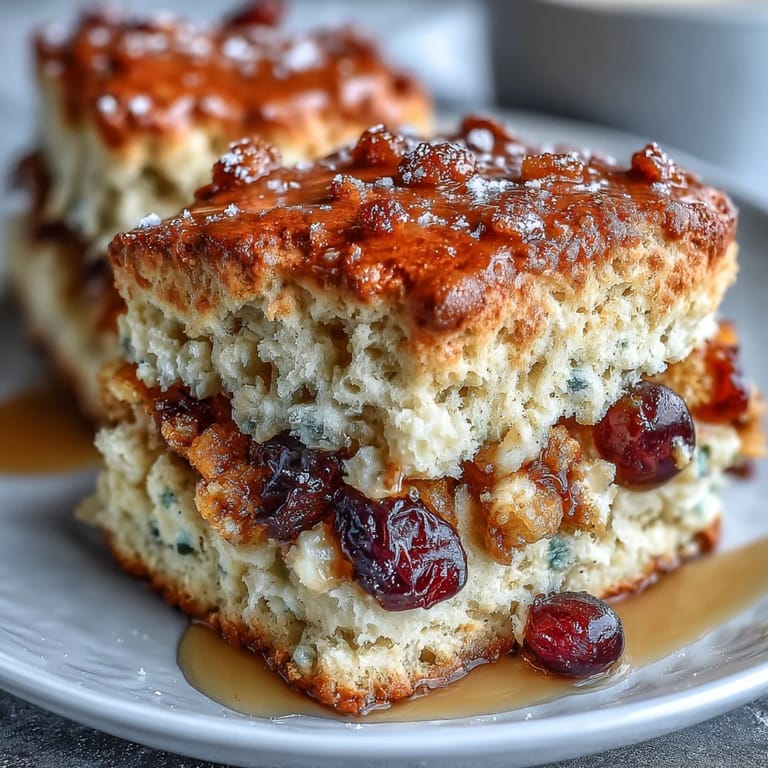
 There's quiet magic in pulling warm, fragrant scones from the oven and knowing you made something that tastes like both celebration and comfort. Once you've made them once, you'll find yourself making them again and again.
Recipe Questions & Answers
- → What makes these scones tender and flaky?
Using cold butter cut into flour creates small fat pockets that melt during baking, resulting in a tender, flaky texture.
- → Can I substitute the cranberries with other fruits?
Yes, dried cherries or golden raisins work well as alternatives, offering different flavor notes.
- → How should I store leftover scones?
Store in an airtight container at room temperature for up to two days, or freeze for longer keeping.
- → Is the orange zest necessary for flavor?
Orange zest enhances the citrus aroma and brightness, complementing the sweetness of the candied peel and cranberries.
- → How can I add an extra touch of sweetness?
Drizzle a glaze made from powdered sugar and fresh orange juice over cooled scones or dip them in melted white chocolate.
- → What tools are essential for preparation?
A pastry cutter or fork to cut in butter, mixing bowls, a baking sheet, parchment paper, and a whisk for combining ingredients.