 Pin It
 Last spring, I found myself wandering through an overgrown corner of a farmer's market where a vendor was selling jars of dandelion honey, their amber surface catching the afternoon light. The woman behind the table described it with such quiet pride—how the bees had gathered from wild dandelion fields—that I knew I had to bring that golden, subtly floral sweetness into a cake. What emerged was something unexpectedly tender: a tender crumb infused with that honeyed warmth, brightened by lemon zest that cuts through like morning sun breaking through clouds.
I baked this for my neighbor Elena's book club gathering on an unexpectedly warm May afternoon, and watching everyone pause mid-conversation after their first bite was the kind of small kitchen victory that stays with you. Someone asked if it was store-bought—which made me laugh—but really, it confirmed what I'd been hoping: that this cake feels both refined and entirely unpretentious, the kind of dessert that tastes like you spent all morning in the kitchen when truly you didn't.
Ingredients
- All-purpose flour (2 cups): The foundation—make sure it's light and airy, not packed down in the measuring cup, or your cake will turn dense.
- Baking powder and baking soda (1 1/2 tsp and 1/2 tsp): These two together create the tender crumb; baking soda reacts with the lemon juice for subtle lift.
- Fine sea salt (1/2 tsp): A pinch that awakens all the other flavors, especially important when using honey which can flatten a cake's complexity.
- Unsalted butter (1/2 cup), room temperature: Room temperature is non-negotiable here—cold butter won't cream properly and you'll miss that airy texture.
- Dandelion honey (1/2 cup): The soul of this cake; if you can't find it, regular honey works but you lose that distinctive floral whisper that makes this special.
- Granulated sugar (1/2 cup): Paired with honey, it creates both structure and moisture without tasting overly sweet.
- Eggs (3 large), room temperature: They emulsify with the butter and honey, creating that silky crumb—cold eggs will seize the batter.
- Pure vanilla extract (1 tsp): Don't skimp on quality; vanilla anchors the honey's floral notes.
- Whole milk (1/2 cup), room temperature: Adds tender moisture and balances the honey's richness.
- Lemon zest (2 tbsp from about 2 lemons): Use a microplane so you get the fragrant oils, not bitter white pith—this is your bright counterpoint to the honey.
- Freshly squeezed lemon juice (2 tbsp): Fresh, never bottled; it activates the baking soda and provides that clean spark.
- Powdered sugar for glaze (1 cup), sifted: Sifting removes lumps that would make the glaze streaky.
- Lemon juice for glaze (2–3 tbsp), freshly squeezed: Add gradually to achieve the right drizzle consistency—too thick and it won't flow, too thin and it slides off.
Tired of Takeout? 🥡
Get 10 meals you can make faster than delivery arrives. Seriously.
One email. No spam. Unsubscribe anytime.
Instructions
- Prepare your stage:
- Preheat the oven to 350°F and ready a 9-inch round pan with either butter and flour or parchment paper. This gives you time to gather everything else while the oven warms.
- Mix the dry elements:
- Whisk flour, baking powder, baking soda, and salt in a medium bowl, then set aside—this prevents lumps later and ensures even leavening throughout the cake.
- Cream the base:
- In a large bowl, beat softened butter with dandelion honey and sugar for about 3 minutes until it's pale and fluffy, which incorporates air that makes the cake tender. You should hear the mixer working against the creamed mixture rather than sliding through easily.
- Incorporate the eggs:
- Add eggs one at a time, beating well after each addition so they fully incorporate—this prevents the batter from looking broken or separated. This step takes patience but rewards you with a silky, emulsified base.
- Add the aromatics:
- Stir in vanilla, lemon zest, and lemon juice; the kitchen will suddenly smell like hope and spring. Don't worry if the mixture looks slightly curdled—the flour will bring everything back together.
- Alternate wet and dry:
- Add the flour mixture in three additions, alternating with the milk and starting and ending with flour. Stir only until you see no white streaks of flour—overmixing develops gluten and makes the cake tough.
- Transfer and bake:
- Pour batter into your prepared pan, smooth the top gently, then bake for 35–40 minutes until a toothpick comes out clean or with just a few moist crumbs. The cake will smell deeply sweet and floral when it's nearly done.
- Cool with intention:
- Let it rest in the pan for 10 minutes (this prevents it from shattering), then turn it out onto a wire rack to cool completely before glazing. Rushing this step leads to a melted, streaky glaze.
- Make the glaze:
- Whisk powdered sugar with lemon juice (add a little at a time) and dandelion honey until it's smooth and pourable. It should coat the back of a spoon but still drip slowly—if it's too thick, add lemon juice drop by drop.
- Finish with the glaze:
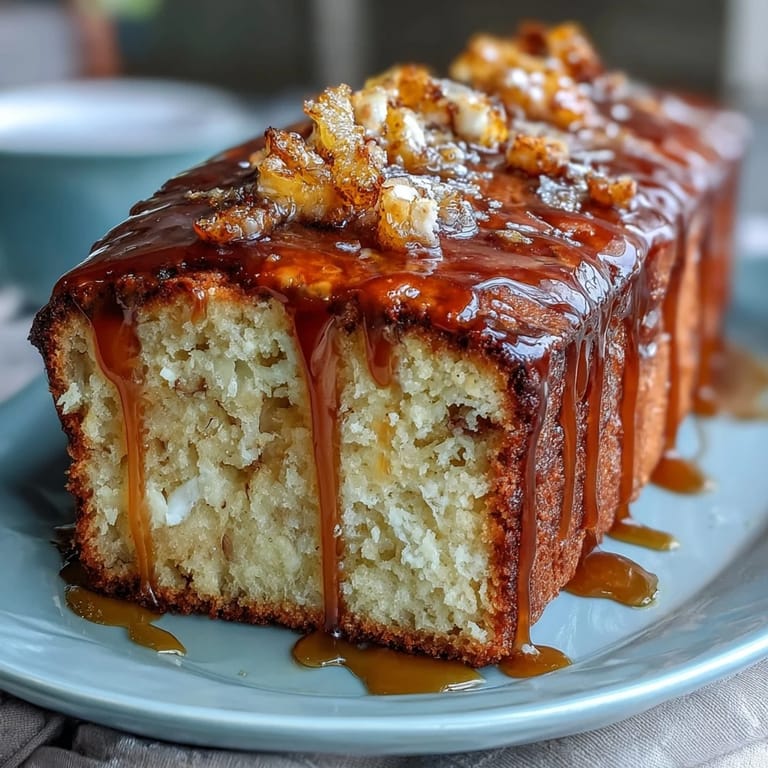
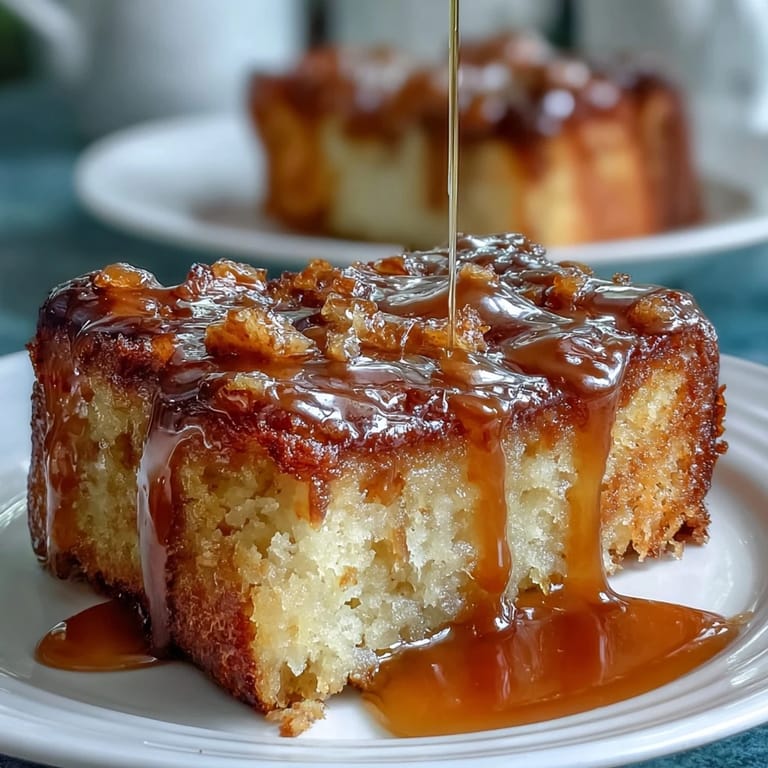
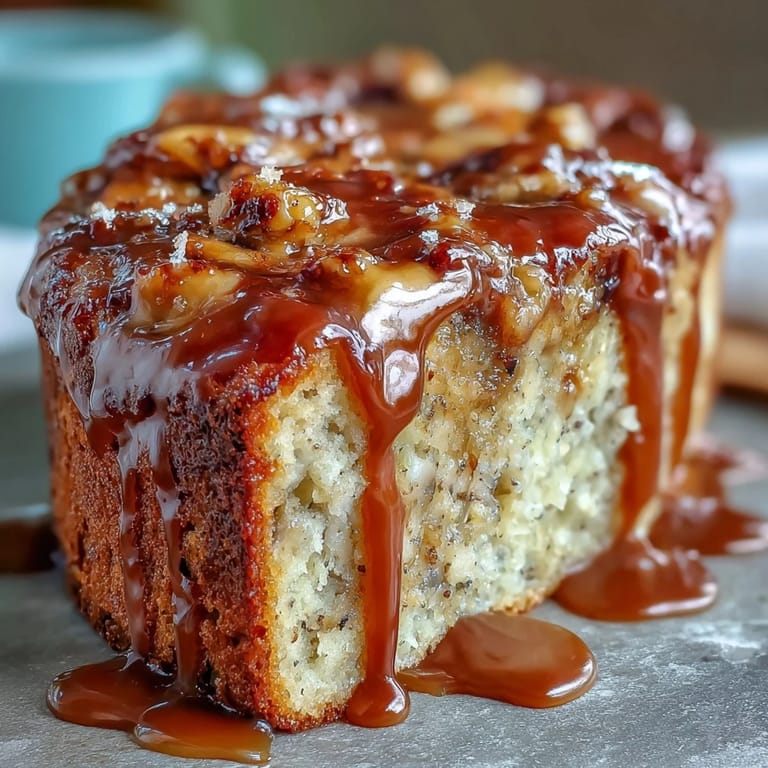
- Drizzle the glaze over the completely cooled cake in whatever pattern feels right; let it set for 10–15 minutes so it firms up slightly without becoming hard. This final touch adds both visual appeal and a subtle tartness that brightens each bite.
 Pin It
My daughter made this cake last weekend and called me into the kitchen just as she was drizzling the glaze, saying the smell reminded her of the meadow behind her grandmother's house. In that moment, watching her cake emerge from the oven golden and fragrant, I understood that food has this quiet power to hold memories and create new ones simultaneously.
Why Dandelion Honey Matters
Dandelion honey tastes like spring captured in a jar—it's lighter and more delicate than clover honey, with a subtle floral complexity that feels almost herbal. When you cream it with butter and sugar, it doesn't just sweeten; it adds a whisper of something wildflower-touched that makes people pause and ask what that flavor is. Regular honey will work in a pinch, but you'll notice the difference: dandelion honey doesn't overwhelm the lemon and doesn't taste cloying, instead settling into the crumb like it was always meant to be there.
The Lemon Balance
Fresh lemon is not optional here—bottled juice has a bitter, chemical edge that fights against the honey's sweetness rather than brightening it. The zest provides fragrance and oil while the juice adds tang that wakes up your palate and prevents the cake from tasting one-note. I've found that the moment you squeeze the lemons matters too; fresh juice adds a brightness that fades if it sits around.
Storage and Serving Thoughts
This cake actually improves after a day or two as the flavors marry and the crumb becomes even more tender—if you can resist eating it immediately. Keep leftovers in an airtight container at room temperature, and it will stay fresh for about 3 days, though I've never had any last that long. It pairs beautifully with herbal tea (chamomile especially), or if you're feeling elegant, a light floral white wine like a Sauvignon Blanc.
- For an extra floral note, chop 2 tablespoons of unsprayed dandelion petals and fold them into the batter just before pouring.
- If your kitchen runs warm, store the cake in the coolest spot away from direct light to prevent the glaze from sliding.
- This cake freezes surprisingly well for up to a month—wrap it without the glaze, then glaze it after thawing for the brightest finish.
 Pin It
 This cake has become my answer to the question of what to bring when I want to offer something that feels both generous and entirely me. It's a cake that tastes like spring feels, and that, I think, is worth an afternoon in the kitchen.
Recipe Questions & Answers
- → What gives this cake its unique flavor?
The floral notes from dandelion honey combined with fresh lemon zest and juice create a distinctive, bright flavor profile.
- → Can I substitute dandelion honey with another type?
Yes, regular honey can replace dandelion honey without significantly altering the moist texture, though flavor nuances may differ.
- → How do I achieve the perfect lemon glaze consistency?
Gradually whisk lemon juice into powdered sugar and honey until smooth and pourable but not runny, ready to drizzle over the cooled cake.
- → What is the best way to store the cake?
Keep the cake in an airtight container at room temperature for up to three days to preserve moisture and freshness.
- → Can chopped dandelion petals be added to enhance flavor?
Adding finely chopped, unsprayed dandelion petals to the batter intensifies the floral character for a more pronounced taste.