 Pin It
 On a rainy Tuesday, staring into my fridge at leftovers that didn't quite match, I threw together what became my most-made meal. A scoop of quinoa here, some roasted sweet potato there, and suddenly I had something that tasted intentional. That bowl wasn't just dinner; it was a small act of creativity that turned scraps into something I actually looked forward to eating. Now I build these bowls almost reflexively, letting whatever's fresh or leftover guide the combination.
I started making these for my partner during a particularly busy month when neither of us had time to think about dinner. I'd line up little containers on Sunday: grains, proteins, chopped veggies, dressings in jars. By Wednesday, we'd each build our own bowl, totally different from each other's, and it felt like a tiny Choose Your Own Adventure at the end of a long day. That ritual stuck, even when life calmed down.
Ingredients
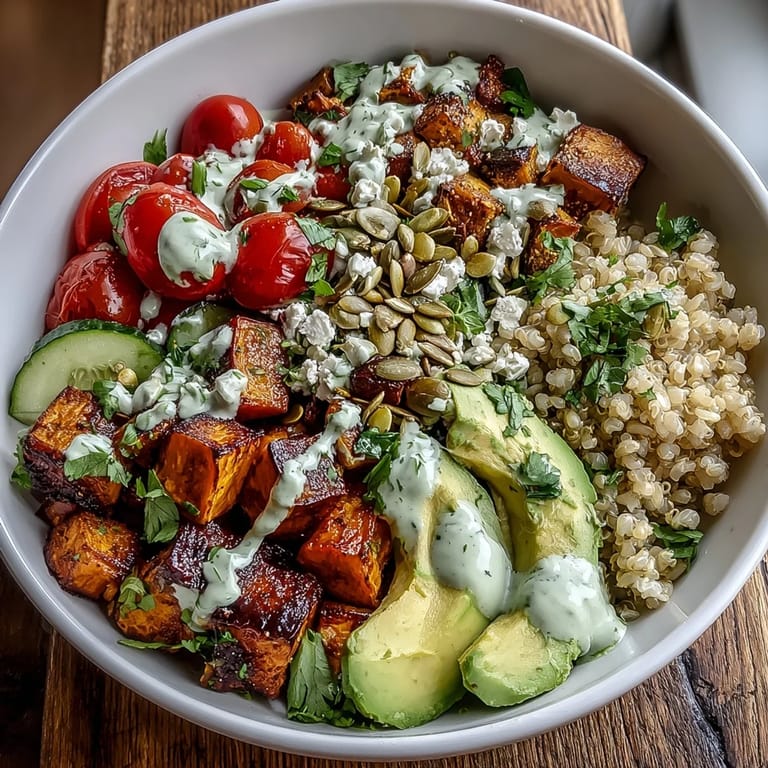
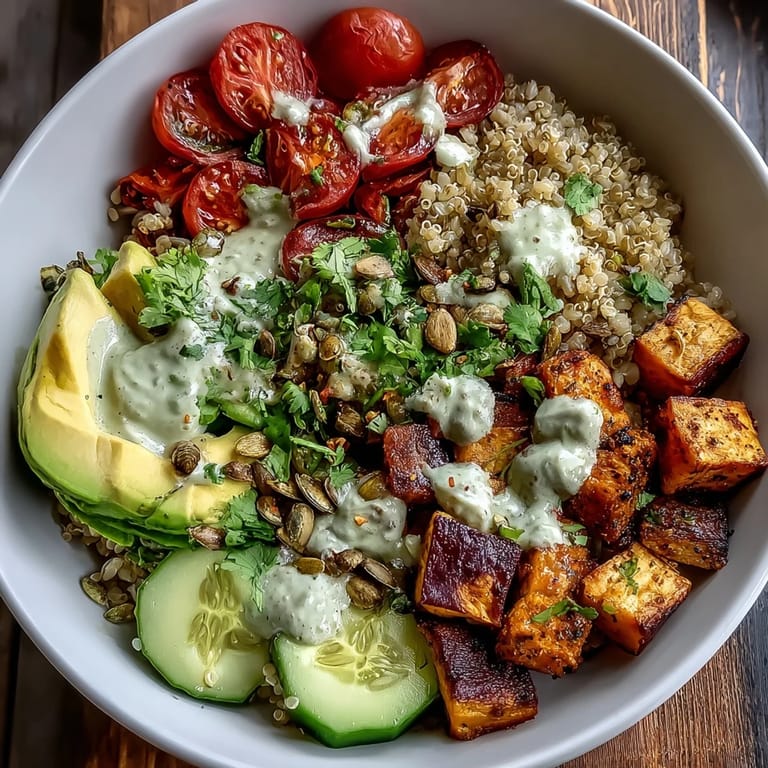
- Brown rice, quinoa, farro, or couscous: The foundation that soaks up dressing and gives the bowl its heartiness; I cook a big batch and keep it in the fridge for up to four days.
- Chicken breast, tofu, chickpeas, or shrimp: Protein that keeps you full and adds substance; baked tofu gets delightfully crispy if you press it first and toss it in a little cornstarch.
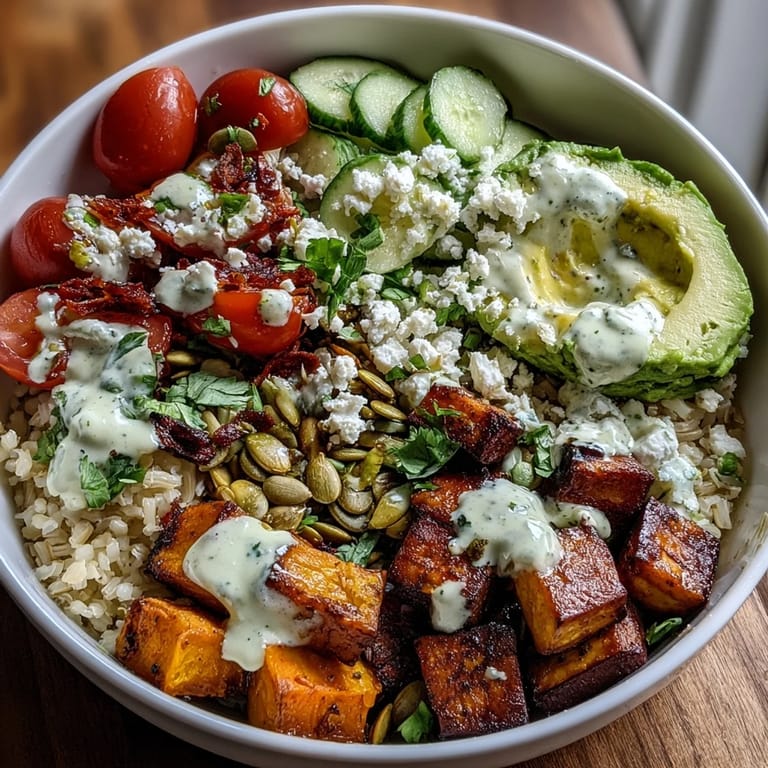
- Cherry tomatoes, cucumber, sweet potato, broccoli, carrots, or avocado: Color, crunch, and sweetness that make every bite different; roasting sweet potatoes with a drizzle of olive oil and a pinch of smoked paprika changes everything.
- Feta cheese, toasted seeds, fresh herbs, or sesame seeds: Finishing touches that add richness, texture, and little bursts of flavor you didn't know you needed.
- Lemon-tahini, balsamic vinaigrette, soy-ginger, or green goddess dressing: The magic that ties it all together; homemade tastes better, but a good store-bought version saves time without sacrificing much.
Tired of Takeout? 🥡
Get 10 meals you can make faster than delivery arrives. Seriously.
One email. No spam. Unsubscribe anytime.
Instructions
- Cook your grains:
- Follow the package directions, but undercook them slightly if meal prepping so they don't turn mushy when reheated. Fluff with a fork and let them cool while you prep everything else.
- Prepare your protein:
- Season and cook chicken, press and bake tofu until golden, or warm chickpeas with spices in a skillet. Leftover rotisserie chicken works beautifully here and saves you half the effort.
- Chop and cook your vegetables:
- Dice, slice, or roast depending on what you're using; roasted veggies add a caramelized sweetness, while raw ones bring crisp freshness. Don't skip seasoning them lightly with salt and pepper.
- Build your bowl:
- Start with a base of grains, then arrange your protein and vegetables in sections or mix them together. This is where you get to play with color and texture.
- Add toppings and dressing:
- Sprinkle on seeds, herbs, cheese, or anything crunchy, then drizzle dressing over the top just before eating. If meal prepping, keep dressing separate so nothing gets soggy.
 Pin It
One evening, a friend came over feeling burned out and underfed. I opened the fridge, pointed at containers, and said, "Build whatever sounds good." She made a bowl I never would have thought of: farro, shrimp, pickled carrots, and way too much cilantro. Watching her eat it with genuine relief reminded me that food doesn't have to be fancy to feel like care. Sometimes it just has to show up when you need it.
Choosing Your Combinations
The best bowls balance something hearty, something fresh, something rich, and something bright. I've learned that a creamy element (avocado, feta, tahini dressing) makes everything feel more cohesive, while a pop of acid (lemon, vinegar, pickled anything) wakes up your palate. Don't overthink it; if it sounds good together, it probably is.
Meal Prep Strategy
I cook grains and proteins on Sunday, roast a sheet pan of vegetables, and chop raw ones into containers. Throughout the week, I mix and match depending on what I'm craving. It's the closest I've come to feeling like I have my life together, even when I absolutely don't.
Making It Your Own
Some weeks I go Mediterranean with farro, chickpeas, cucumber, and lemon-tahini. Other times it's an Asian-inspired bowl with brown rice, ginger-glazed tofu, and sesame dressing. The formula stays the same, but the flavors shift with your pantry and your mood.
- Try adding a fried egg on top for extra richness and a runny yolk that acts like sauce.
- Swap in leftover grilled vegetables or whatever's in season at the farmers market.
- A spoonful of kimchi or hot sauce can completely change the vibe without any extra cooking.
 Pin It
 These bowls have become my answer to almost everything: too tired to cook, need to use up leftovers, want something healthy but satisfying. They adapt, they forgive, and they never get boring.
Recipe Questions & Answers
- → What grains work best for grain bowls?
Brown rice, quinoa, farro, and couscous all provide excellent bases. Each offers unique textures and nutritional benefits. Choose based on preference or dietary needs.
- → How do I make grain bowls vegan?
Select plant-based proteins like baked tofu or chickpeas, skip cheese toppings, and use dressings without honey or dairy. The bowl remains satisfying and protein-rich.
- → Can grain bowls be made ahead?
Absolutely. Prepare grains, proteins, and vegetables separately, then store in airtight containers. Components stay fresh for 4-5 days. Assemble when ready to eat.
- → What protein options work well?
Chicken breast offers lean protein, baked tofu provides plant-based substance, chickpeas add fiber and texture, and shrimp contributes quick-cooking seafood variety.
- → Which vegetables should I use?
Combine raw and cooked elements. Cherry tomatoes, cucumber, and shredded carrots add crunch, while roasted sweet potato and steamed broccoli bring warmth and depth.
- → How do I add more flavor?
Incorporate pickled vegetables, kimchi, or sriracha for tang and heat. Fresh herbs like cilantro and parsley brighten flavors. Toasted nuts and seeds add nuttiness.