 Pin It
 My daughter stood on a stool beside me, eyes wide at the colors spilling across the counter. Red, yellow, green—the vegetables looked like confetti, and I hadn't even turned on the oven yet. She asked if we could make dinner look like a rainbow, and I said yes without thinking. That night, we tossed everything onto one pan, drizzled it with honey and garlic, and slid it into the oven. When it came out glossy and golden, she clapped her hands, and I realized I'd just found our new weeknight favorite.
I made this for my neighbor when she came home from the hospital, and she texted me later that night asking for the recipe. She said it was the first meal in weeks that actually tasted like something, and that the colors cheered her up. I've made it a dozen times since, tweaking the vegetables with the seasons, and it never fails to feel like a small, edible gift.
Ingredients
- Boneless, skinless chicken breast or thighs, cut into bite-sized pieces: Thighs stay juicier, but breasts work beautifully if you don't overcook them; I cut them into similar-sized chunks so everything finishes at the same time.
- Red bell pepper, sliced: Sweet and vibrant, it caramelizes around the edges and adds a pop of color that makes the whole pan look alive.
- Yellow bell pepper, sliced: Adds another layer of sweetness and keeps the dish looking cheerful and balanced.
- Sugar snap peas, trimmed: They stay crisp-tender in the oven and add a fresh, snappy bite that contrasts with the softer vegetables.
- Asparagus, trimmed and cut into 2-inch pieces: I snap off the woody ends before cutting; they roast up tender with slightly crispy tips.
- Red onion, cut into wedges: Roasting mellows the sharpness and turns them sweet and soft, almost jammy.
- Baby carrots, halved lengthwise: Halving them helps them cook evenly and lets the cut side caramelize against the pan.
- Honey: The backbone of the sauce; it caramelizes in the oven and gives everything a glossy, sticky finish.
- Low-sodium soy sauce: Brings salty umami depth without overwhelming the sweetness; low-sodium lets you control the saltiness better.
- Olive oil: Helps the sauce coat everything and encourages browning and caramelization.
- Garlic cloves, minced: Fresh garlic is key here; it mellows and sweetens as it roasts, filling the kitchen with the best smell.
- Rice vinegar or apple cider vinegar: A small splash cuts through the sweetness and balances the whole sauce.
- Freshly grated ginger: Adds warmth and a subtle zing that makes the sauce feel alive.
- Black pepper: A little heat and spice to round out the flavors.
- Fresh parsley or cilantro: A bright, herby finish that adds color and freshness just before serving.
- Toasted sesame seeds (optional): A nutty crunch and a touch of elegance if you want to dress it up a bit.
Tired of Takeout? 🥡
Get 10 meals you can make faster than delivery arrives. Seriously.
One email. No spam. Unsubscribe anytime.
Instructions
- Preheat and prep your pan:
- Set your oven to 220°C (425°F) and line a large sheet pan with parchment paper or foil. This high heat will caramelize the sauce and crisp the edges of the vegetables beautifully.
- Make the honey garlic sauce:
- In a medium bowl, whisk together the honey, soy sauce, olive oil, minced garlic, grated ginger, vinegar, and black pepper until smooth. It should smell sweet, savory, and a little bit tangy.
- Marinate the chicken:
- Add the chicken pieces to the bowl and toss until every piece is coated in the glossy sauce. If you have 10 minutes, let it sit and soak up the flavors; if not, move right along.
- Arrange everything on the pan:
- Spread the chicken and all the vegetables in a single layer on the prepared sheet pan, then drizzle any remaining sauce over the top. Toss gently with your hands so everything gets a little bit of that sticky goodness.
- Roast until golden and tender:
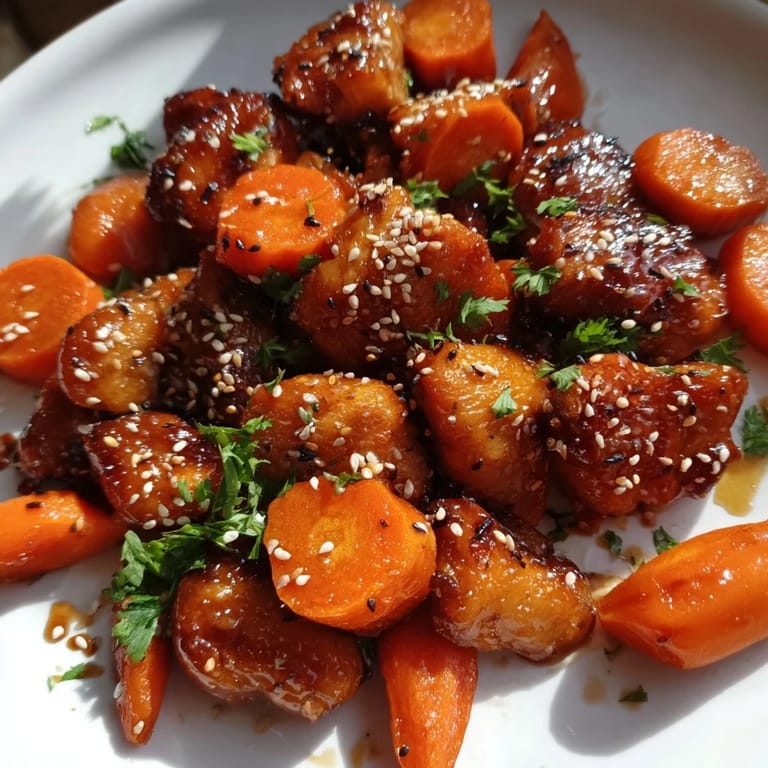
- Slide the pan into the oven and roast for 20 to 25 minutes, stirring everything halfway through so it cooks evenly. The chicken should be cooked through and the vegetables should be tender with caramelized edges.
- Garnish and serve:
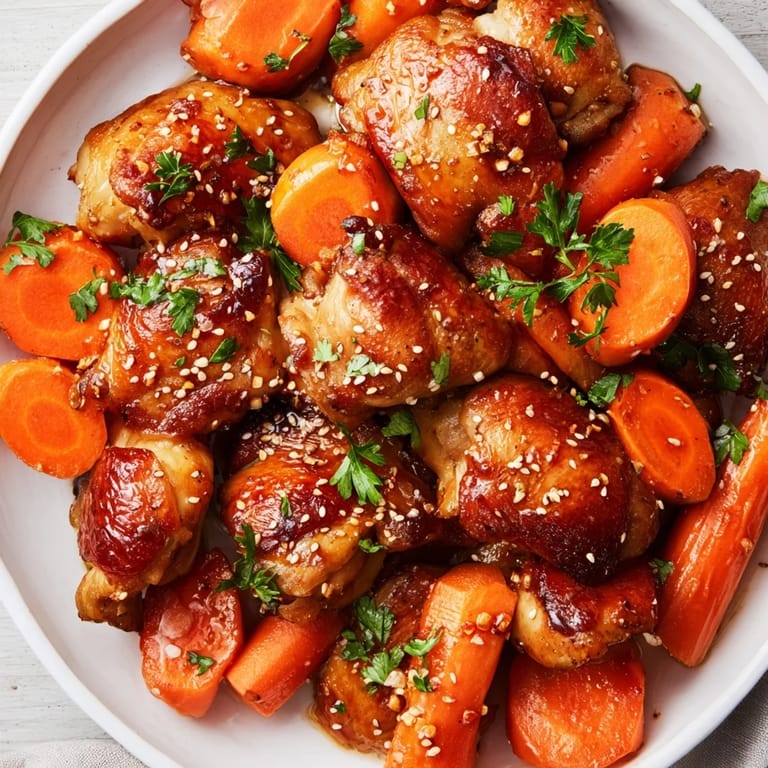
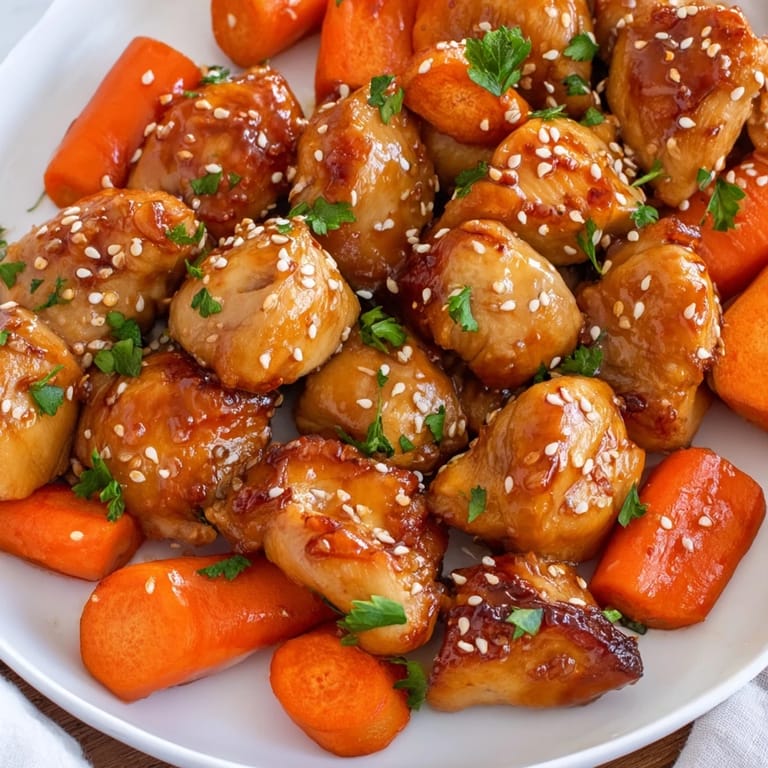
- Pull the pan from the oven and sprinkle with fresh parsley or cilantro and toasted sesame seeds if you like. Serve hot, straight from the pan or over rice or quinoa.
 Pin It
One night, I served this over rice with extra sauce spooned on top, and my husband looked up mid-bite and said it tasted better than our favorite takeout. I laughed, but he was serious. Now it's the meal I make when I want something comforting, colorful, and fast, and every time it comes out of the oven, I feel like I've pulled off a small kitchen miracle.
Swapping Vegetables by Season
I've made this recipe with zucchini in the summer, broccoli in the fall, and green beans in the spring, and it always works. The key is choosing vegetables that roast well and cutting them into similar-sized pieces. Brussels sprouts, butternut squash, and cherry tomatoes are all excellent choices, and you can mix and match based on what looks good at the market or what's hiding in your fridge.
Making It Your Own
If you like a little heat, add a pinch of chili flakes or a drizzle of sriracha to the sauce before tossing. For a hint of citrus, squeeze fresh lime juice over the top just before serving. You can also add a handful of pineapple chunks to the pan for a sweet, tropical twist that caramelizes beautifully alongside the vegetables.
Serving and Storing
This dish is wonderful served over fluffy rice, quinoa, or even cauliflower rice if you want to keep it lighter. Leftovers keep well in the fridge for up to three days and reheat beautifully in the oven or a hot skillet. Sometimes I pack the leftovers into meal prep containers with rice and a sprinkle of sesame seeds, and they disappear by Wednesday.
- Reheat leftovers in a hot oven or skillet to bring back the caramelized edges and crispy bits.
- Pack into meal prep containers with rice or quinoa for easy grab-and-go lunches.
- Double the sauce and toss extra vegetables in it before roasting for even more flavor.
 Pin It
 This recipe has become the one I reach for when I need dinner to feel easy and generous at the same time. I hope it brings the same kind of color and comfort to your table that it has brought to mine.
Recipe Questions & Answers
- → Can I use frozen vegetables instead of fresh?
Yes, frozen vegetables work well. Add them directly to the sheet pan without thawing, but extend roasting time by 5-8 minutes until tender and the chicken reaches 165°F internally.
- → What's the best way to ensure the chicken cooks evenly?
Cut chicken into uniform bite-sized pieces of similar thickness. Stir halfway through roasting to promote even cooking and caramelization. The chicken is done when it reaches an internal temperature of 165°F (74°C).
- → How do I make this dish gluten-free?
Replace regular soy sauce with tamari or certified gluten-free soy sauce. All other ingredients are naturally gluten-free. Always verify your honey and vinegar labels to ensure they're certified gluten-free if needed.
- → Can I prepare this ahead of time?
Yes. Marinate the chicken in the sauce and prep vegetables up to 4 hours ahead. Store separately in the refrigerator. Assemble on the sheet pan just before roasting for best results and crispier vegetables.
- → What vegetables work as substitutes?
Zucchini, broccoli, green beans, mushrooms, and Brussels sprouts are excellent alternatives. Choose seasonal produce and cut into similar-sized pieces for even cooking. Adjust roasting time slightly based on vegetable density.
- → How should I store leftovers?
Transfer cooled portions to an airtight container and refrigerate for up to 3 days. Reheat gently in a 160°C oven for 10-12 minutes or in a skillet over medium heat until warmed through.