 Pin It
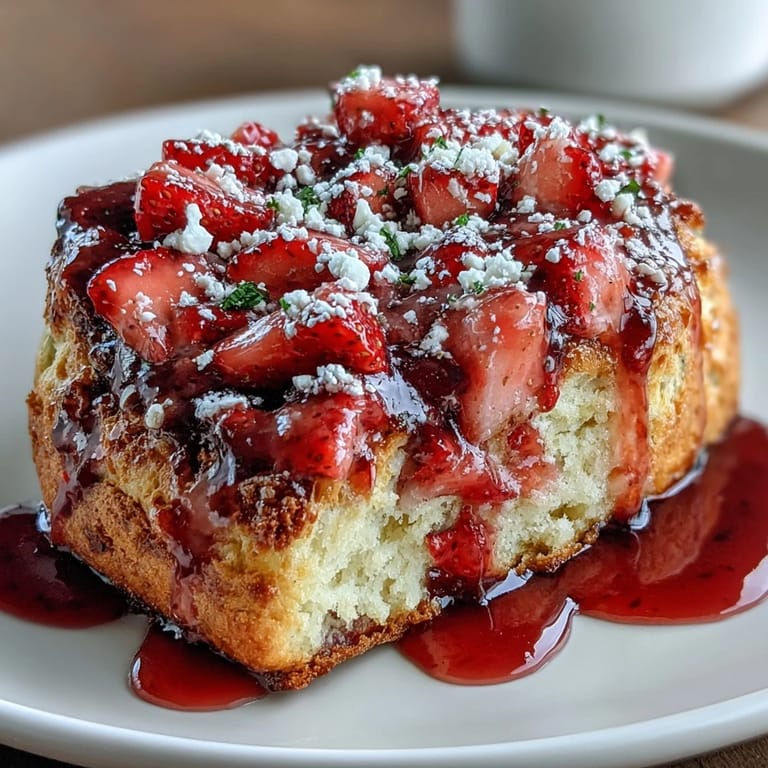
 My sister arrived at my kitchen door one Saturday morning with a carton of strawberries still dewy from the farmers market, and somehow we ended up making scones instead of the coffee she'd suggested. I'd never attempted them before—thought they were too fussy, too British, too far outside my comfort zone—but watching her arrange those ruby berries into the dough felt like watching something come alive. Two hours later, with lemon glaze dripping down our fingers and the kitchen smelling like warm butter and citrus, I understood why scones matter.
I made these for my book club once, nervous they'd compare them to something their grandmother made, and instead watched everyone go silent—the good kind of silent, where you're focused on taste rather than conversation. One person asked if I'd been hiding professional baking skills, which made me laugh because these scones taught me that intimidating recipes are often just theatrical. The glaze caught the afternoon light coming through my kitchen window, and honestly, that's when I knew I'd be making them again and again.
Ingredients
- All-purpose flour (2 cups): The foundation that needs to stay cool; warm flour makes tough scones, so some bakers even chill it beforehand, though I've found room-temperature works fine if everything else is cold.
- Granulated sugar (1/3 cup): Just enough sweetness to balance the tartness of lemon without making these taste like dessert masquerading as breakfast.
- Baking powder (1 tablespoon): Your lift agent—don't skip it or substitute it, and check the expiration date because stale baking powder is why some scones refuse to rise.
- Salt (1/2 teaspoon): Brings every flavor into focus, making the lemon taste more lemon-like and the butter taste more buttery.
- Cold unsalted butter (1/2 cup, cubed): This is non-negotiable; warm butter creates dense scones, so keep yours in the freezer until the moment you use it.
- Heavy cream (2/3 cup plus more for brushing): The secret to tender crumbs—it hydrates the dough gently without developing too much gluten.
- Egg (1 large): Binds everything and gives the tops that golden sheen when brushed on before baking.
- Vanilla extract (1 teaspoon): A background note that deepens flavor without announcing itself.
- Lemon zest (1 tablespoon): Use a microplane because pre-grated zest tastes like nothing, and fresh zest is where the real lemon character lives.
- Fresh strawberries (1 cup, hulled and diced): Choose ones that smell sweet and dice them small so they distribute evenly rather than creating soggy pockets.
- Powdered sugar (1 cup, sifted): Sifting matters here; lumpy glaze looks careless and tastes gritty.
- Fresh lemon juice (2-3 tablespoons): The glaze's backbone—adjust toward the higher amount if your lemons are less acidic.
- Lemon zest for glaze (1 teaspoon): A visual and flavor flourish that reminds you these scones are unapologetically citrus-forward.
- Mixed fresh berries for serving (1 cup): Choose whatever looks best at the market; blueberries are reliable, raspberries are elegant, blackberries are bold.
Tired of Takeout? 🥡
Get 10 meals you can make faster than delivery arrives. Seriously.
One email. No spam. Unsubscribe anytime.
Instructions
- Heat your oven and prepare:
- Set the oven to 400°F and line a baking sheet with parchment paper so your scones won't stick and will brown evenly on the bottom. This step takes thirty seconds but prevents frustration later.
- Mix your dry base:
- Whisk flour, sugar, baking powder, and salt together in a large bowl, making sure the baking powder distributes evenly so you get consistent rise throughout. Think of this as creating the architecture your scones will build on.
- Cut in the cold butter:
- Add your cubed cold butter and work it into the flour using a pastry cutter, fork, or your fingertips until everything resembles coarse breadcrumbs—you want some pea-sized pieces of butter to remain visible. This is what creates those tender layers; the butter melts during baking and leaves behind tiny pockets of air.
- Combine your wet mixture:
- In a separate bowl, whisk the heavy cream, egg, vanilla, and lemon zest until smooth and combined. The lemon zest should be distributed throughout so flavor is consistent in every bite.
- Bring it together gently:
- Pour the wet ingredients into the dry mixture and stir with a wooden spoon until just barely combined—you want some dry flour streaks visible, because overmixing develops gluten and creates tough scones. Now gently fold in the diced strawberries, trying not to crush them.
- Shape your dough:
- Turn the rough dough onto a lightly floured surface and gently shape it into a 1-inch-thick round disc—think of it as shaping play-dough, not kneading bread. Cut it into 8 wedges like you're slicing a pie and transfer each to your prepared baking sheet with about an inch between them.
- Add shine and bake:
- Brush the top of each scone with a thin layer of heavy cream, which will create that characteristic golden-brown exterior. Bake for 18 to 20 minutes until they're light golden and a toothpick inserted into the center comes out clean.
- Cool with patience:
- Transfer the baked scones to a wire rack and let them cool completely before glazing, which takes about 15 minutes. Glazing warm scones melts the glaze straight through instead of sitting on top in that beautiful drizzle.
- Make your glaze:
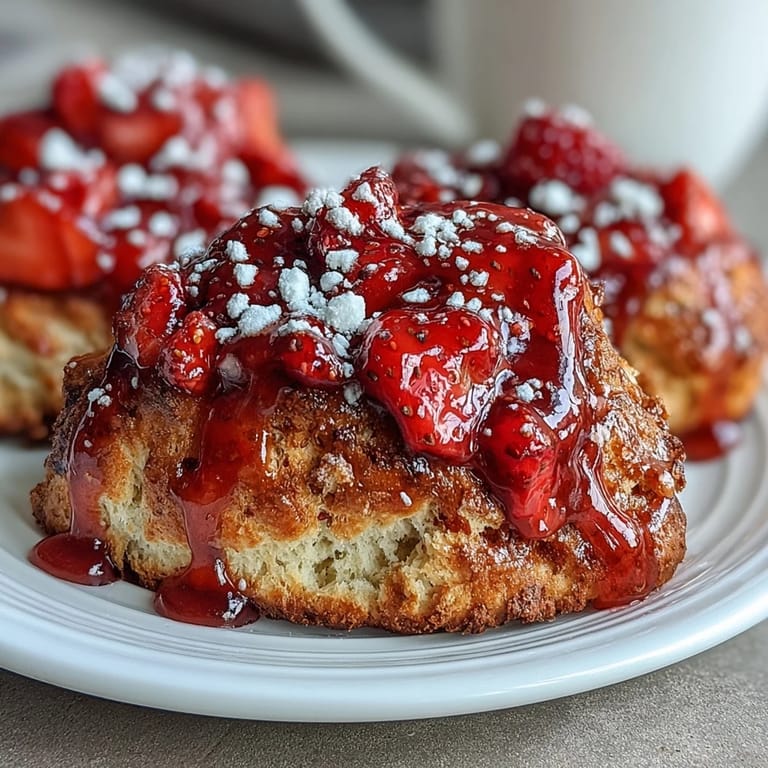
- Whisk the sifted powdered sugar, lemon juice (start with 2 tablespoons and add more if needed), and lemon zest until smooth and pourable—it should flow off the spoon but still coat it slightly. If it's too thick, add lemon juice one teaspoon at a time; too thin, add more sugar.
- Finish and serve:
- Drizzle the glaze over cooled scones in whatever pattern feels right, then top with fresh mixed berries just before serving. The scones taste best eaten the same day, still slightly warm from cooling.
 Pin It
These scones became the thing I make when someone needs comfort that isn't heavy, or when I want to feel accomplished without spending hours in the kitchen. There's something about serving warm scones with lemon glaze and berries that makes an ordinary afternoon feel like it matters.
Why This Combination Works
Strawberries are naturally sweet and slightly tart, which means they don't fight with the lemon glaze—instead, they create a flavor conversation where everything makes the other ingredient taste better. The butter provides richness, the cream keeps everything tender, and the lemon juice cuts through so cleanly that you never feel overwhelmed. It's a formula I've learned works because nothing overshadows anything else; every component earns its place.
Storage and Make-Ahead Options
I've learned that scones are best the day they're baked, but they'll keep in an airtight container for 1 to 2 days without drying out if you've stored them properly. You can also freeze the unbaked dough wedges for up to a month—bake them straight from frozen, adding just 2 to 3 minutes to the baking time. Sometimes I prepare everything the night before, make the dough, and bake in the morning when the kitchen is quiet and I can focus on getting the texture exactly right.
Variations Worth Trying
Once you master the basic technique, this dough becomes a canvas for experimentation—swap the strawberries for raspberries or blueberries, or even leave the fruit out entirely for a plain lemon scone that pairs beautifully with jam and clotted cream. You can adjust the lemon intensity by adding more zest to the dough itself, or dial it back if you prefer subtlety. I've even made batches where I substitute some of the all-purpose flour with whole wheat for a slightly earthier flavor, though the original is hard to improve upon.
- Try adding a tablespoon of honey to the wet ingredients for deeper sweetness without making them cloying.
- A pinch of fresh thyme pairs surprisingly well with strawberry and lemon if you're feeling adventurous.
- If making for afternoon tea, serve alongside clotted cream and strawberry jam for the full British experience.
 Pin It
 Making these scones has taught me that simple recipes often deliver the biggest rewards, and that the combination of buttery, tart, and fresh might be one of the most comforting flavor profiles in the world. Every time I bake a batch, it feels less like following instructions and more like a conversation with the dough.
Recipe Questions & Answers
- → What is the best type of flour to use?
All-purpose flour is recommended for a tender yet sturdy texture, suitable for scones that rise well and hold their shape.
- → Can I substitute the fresh strawberries?
Yes, raspberries or blueberries work well as alternatives, providing a similar fruity burst and complementing the lemon glaze.
- → How do I achieve the perfect flaky texture?
Using cold unsalted butter and cutting it into the flour until coarse crumbs form helps create flaky layers once baked.
- → What is the purpose of lemon zest in the dough?
Lemon zest adds a fresh citrus aroma and subtle brightness that balances the sweetness of the berries and sugar.
- → Can these scones be stored for later?
They are best enjoyed fresh but can be stored in an airtight container for 1–2 days without losing much flavor or texture.
- → What milk alternative can I use for the heavy cream?
Full-fat coconut milk or a thick soy cream can be used as substitutes but may slightly affect the texture and richness.