 Pin It
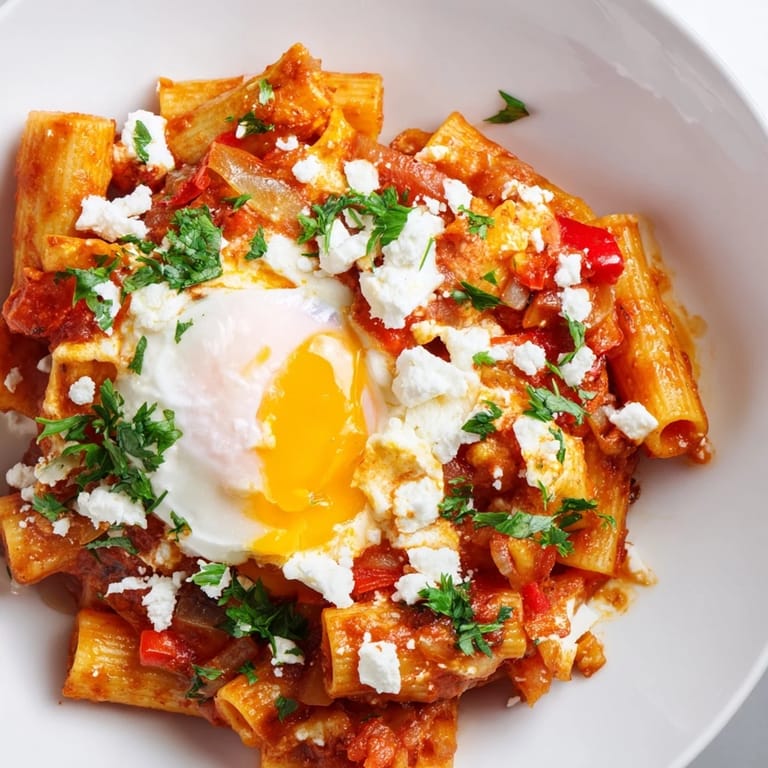
 The first time I made shakshuka baked pasta, it was completely by accident. I'd been craving the warm, spiced comfort of a proper shakshuka but found myself staring at a half-cooked box of penne on the counter. Rather than start over, I threw the pasta into the tomato sauce simmering on the stove, watched it absorb all those cumin-and-paprika flavors, and finished it in the oven with eggs cracked right on top. What emerged was something neither entirely pasta nor entirely shakshuka—it was better, actually. A dish that felt like a conversation between two cuisines, with my own kitchen mishap as the translator.
I made this for a friend who'd just moved into her first apartment with a kitchen barely bigger than a closet. She was intimidated by cooking for herself, so I brought the ingredients and we made it together at her tiny stove. Watching her crack eggs into those little wells and seeing her face light up when she pulled it from the oven—that's when I knew this recipe had something special. It proved to her that home cooking doesn't require a professional kitchen or years of experience. It just requires showing up and being willing to try.
Ingredients
- 300 g short pasta (penne, rigatoni, or fusilli): Use whatever shape you have—the key is cooking it just shy of al dente since it'll soften more in the oven with the sauce.
- 1 medium onion, finely chopped: This forms the flavor base, so don't rush it; let it turn golden and sweet over medium heat.
- 1 red bell pepper, diced: The sweetness balances the spices beautifully, and it stays tender enough to be enjoyable after baking.
- 3 cloves garlic, minced: Mince them as fine as you can—they'll distribute evenly through the sauce and become almost undetectable in the best way.
- 2 tbsp olive oil: Good quality olive oil matters here since it's not being cooked to oblivion; it adds richness that carries the spices.
- 1 can (400 g) diced tomatoes: Don't drain them unless you want a drier dish; those juices are part of the sauce structure.
- 2 tbsp tomato paste: This concentrated umami deepens the sauce and gives it body, so don't skip or substitute it.
- 1 tsp ground cumin, 1 tsp smoked paprika, ½ tsp ground coriander, ¼ tsp cayenne: Toast these spices briefly in the oil and aromatics before adding tomatoes so they bloom and release their full flavor.
- 1 tsp sugar: It's not about sweetness—it tames the acidity of the tomatoes and lets the spices sing.
- 100 g grated mozzarella or crumbled feta: Optional but recommended; feta adds tang and complexity while mozzarella gives gentle creaminess.
- 4 large eggs: Room temperature eggs are less likely to crack from the heat, and they cook more evenly.
- 2 tbsp fresh parsley or cilantro: Add this after baking so it stays bright and fresh—the heat would turn it dull.
Tired of Takeout? 🥡
Get 10 meals you can make faster than delivery arrives. Seriously.
One email. No spam. Unsubscribe anytime.
Instructions
- Heat your oven and get water boiling:
- Set the oven to 200°C (400°F) and put a large pot of salted water on the stove—it'll be ready when you need it. This rhythm matters because you want everything coordinated so your pasta hits the sauce at the right moment.
- Cook the pasta to just-shy-of-done:
- Let it boil for a minute or two less than the package directs so it still has a whisper of firmness. Drain it but don't rinse it—that starch will help thicken the sauce.
- Build the flavor base in your oven-safe skillet:
- Heat olive oil over medium heat and add your chopped onion and bell pepper. You're aiming for soft and golden, which takes about 5 minutes; listen for the gentle sizzle and watch for the edges to turn translucent. This is where patience pays off because these vegetables are about to anchor all the spice.
- Bloom the spices:
- Stir in the garlic, cumin, paprika, coriander, and cayenne, then let them cook for just 1 minute—you'll smell them wake up, and that fragrance is your signal they're ready. If you cook them longer, they can turn bitter, so don't overthink it.
- Build the sauce:
- Add the tomato paste first and stir it around for 30 seconds to deepen its flavor, then pour in the diced tomatoes with all their liquid. Add the sugar, salt, and pepper, then let it simmer for 8 to 10 minutes until it thickens slightly and the flavors meld. Taste it now and adjust the seasoning—this is your only chance before the eggs go in.
- Combine pasta with sauce:
- Stir the cooked pasta into the sauce along with half the cheese if you're using it. You want everything evenly coated and the pasta to drink in all those spiced tomato flavors.
- Create four wells for the eggs:
- Spread the mixture evenly in your skillet or transfer it to a baking dish if you prefer. Then use the back of a spoon to make four small indentations in the surface—not too deep, just enough so the eggs sit cradled and won't roll around.
- Crack the eggs with intention:
- Break each egg into a small bowl first, then gently slide it into a well—this prevents shell fragments and gives you control. Sprinkle the remaining cheese around them if you're using it, which will help cushion and protect them as they cook.
- Bake until the magic happens:
- Slide the skillet into the oven and set a timer for 15 to 18 minutes. You're watching for the egg whites to turn opaque and set while the yolks stay gloriously runny. Start checking around minute 13 because ovens vary, and there's nothing worse than a broken yolk moment.
- Finish with herbs and serve:
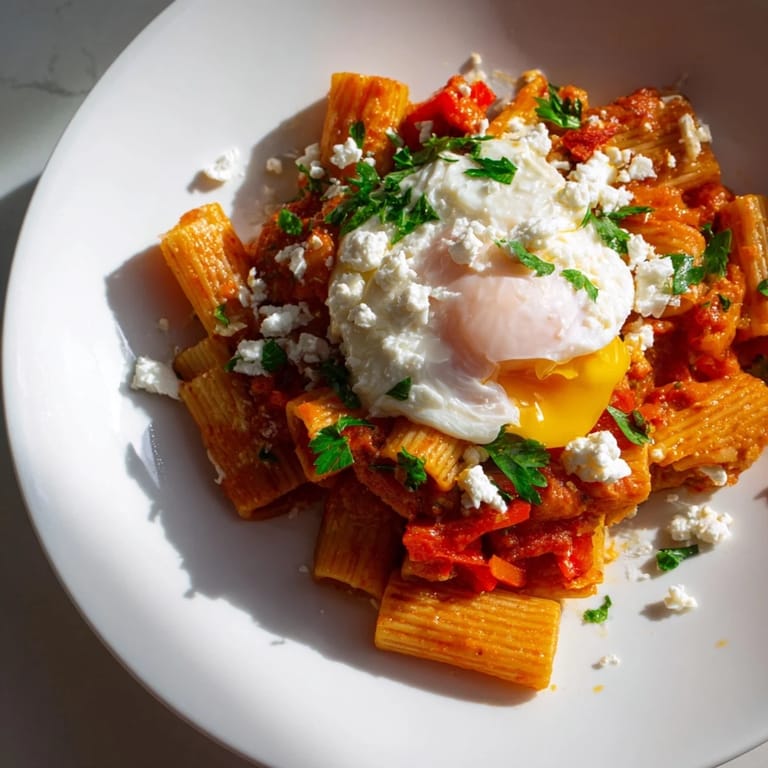
- Pull it from the oven, scatter fresh parsley or cilantro over the top, and bring it straight to the table in the skillet if you can—there's something ceremonial about that. Serve it while everything is still steaming and the eggs are at their best.
 Pin It
I remember serving this to my mother on a quiet Sunday morning after she'd mentioned missing the shakshuka she'd eaten years ago at a small café in Tel Aviv. She took one bite and got quiet in that way she does when she's deciding if something matters to her. Then she broke the yolk with her spoon, stirred it into the sauce, and said, 'This is what home tastes like.' It wasn't about perfection or technique—it was about showing her that her memories were worth cooking toward.
Why This Dish Works
Shakshuka baked pasta exists in that perfect middle ground where nothing is wasted and everything becomes more interesting together. The pasta absorbs the sauce instead of sitting separately, the eggs cook gently in the heat so they're never rubbery, and the cheese—if you use it—melts into the spaces between noodles and tomato. It's forgiving because you can adjust it a dozen ways, patient because it doesn't rush, and generous because one skillet feeds four people without anyone feeling like they're eating plain food.
Making It Your Own
This recipe is more flexible than it might seem at first read. If you have spinach or kale wilting in your crisper drawer, tear it into pieces and stir it in before the pasta so it softens into the sauce without turning into dust. If feta is your thing, use it; if you prefer mozzarella's gentleness, go that direction—or use both. Some people I know add a pinch of ground cloves or a touch of cinnamon to give it a deeper warmth, and they're not wrong. Listen to what your pantry is telling you and adjust accordingly.
Serving and Storage
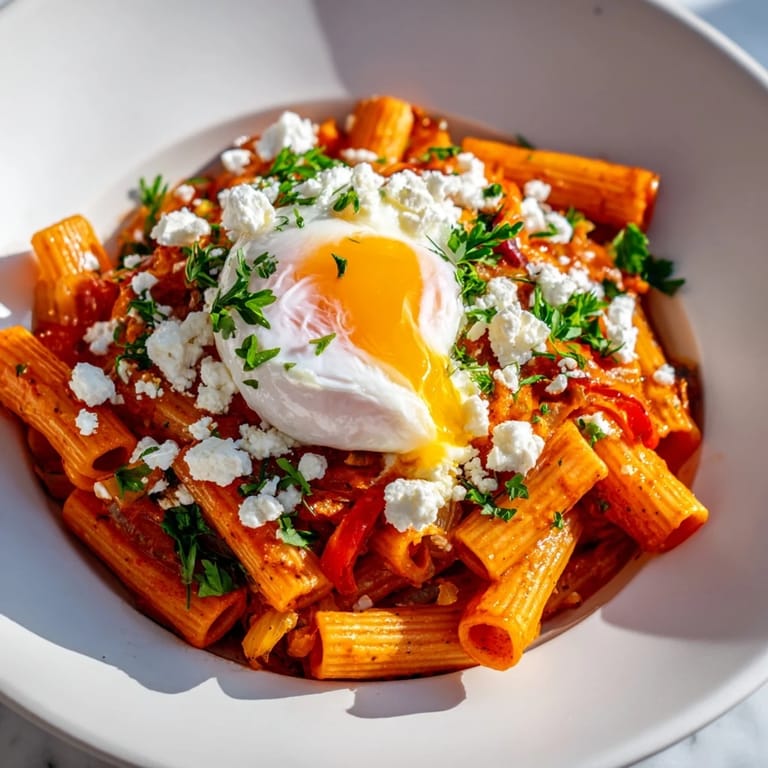
Serve this straight from the skillet with crusty bread nearby for soaking up every drop of sauce—that's not optional, that's essential. If you have leftovers, store them in an airtight container in the refrigerator for up to three days, though I'll be honest that the eggs don't reheat beautifully, so the real magic lives in that first meal. To reheat, warm it gently in a low oven so the pasta softens rather than dries out.
- Pair it with a simple green salad to cut through the richness.
- A dry white wine with body works better than you'd think, especially if your sauce has a little heat.
- If you're making this for someone with dietary restrictions, the structure holds up well without eggs or cheese—just add chickpeas or white beans for substance.
 Pin It
 This dish has a quiet magic to it—the kind of food that brings people closer because it demands to be shared from the pan it was cooked in. Make it when you want to feel like you've done something real in the kitchen without having to prove anything to anyone.
Recipe Questions & Answers
- → What pasta types work best for this dish?
Short pasta like penne, rigatoni, or fusilli hold the sauce well and withstand baking without losing texture.
- → Can I prepare this without cheese and eggs?
Yes, omitting cheese and eggs makes a vegan-friendly version. Adding chickpeas can boost protein content.
- → How do I ensure the eggs stay runny after baking?
Bake the dish until egg whites are set but yolks remain soft, usually 15–18 minutes in a preheated oven at 200°C (400°F).
- → What spices give the sauce its distinctive flavor?
The combination of cumin, smoked paprika, coriander, and optional cayenne provides warmth and depth to the tomato sauce.
- → Can I add vegetables to increase nutritional value?
Absolutely, adding baby spinach or kale before baking injects extra vitamins and a fresh component.