 Pin It
 I discovered these cookies by accident, really—I'd been experimenting with brown butter in a afternoon kitchen session when the nutty aroma sparked an idea. My partner mentioned they'd been craving something with Earl Grey, and suddenly I was grinding tea leaves and measuring out hojicha powder like some sort of caffeinated mad scientist. The first batch taught me that tea and butter aren't enemies; they're old friends who finally met at the right moment. What emerged was something neither fully Japanese nor British, but unmistakably delicious.
My neighbor stopped by one morning while a fresh batch was cooling, and one whiff had her standing in my kitchen for twenty minutes asking questions about the recipe. I watched her bite into one, pause, and then quietly eat three more in succession—that's when I knew I'd stumbled onto something special. She now makes them for book club, and I hear they're always the first thing to disappear from the plate.
Ingredients
- Brown Butter (170 g / 3/4 cup unsalted): This is your flavor foundation—the longer you toast it, the deeper and richer your cookies become, so don't rush the browning process or you'll miss those beautiful nutty notes.
- All-Purpose Flour (250 g / 2 cups): Standard flour works best here because it lets the tea flavors shine without competing for attention.
- Baking Soda (1/2 tsp): Just enough to give the cookies their signature tender crumb and slight spread.
- Fine Sea Salt (1/2 tsp): This tiny amount amplifies the tea flavors and balances the sweetness in a way that makes people reach for another cookie.
- Hojicha Powder (1 tbsp): This roasted green tea brings an earthy, almost toasted grain flavor that grounds the entire cookie—if you can't find it, strong matcha works in a pinch, but hojicha is worth the search.
- Earl Grey Tea Leaves (2 tsp from 2 bags, finely ground): Grinding whole tea leaves yourself ensures fresher flavor than pre-ground versions, and the bergamot oil stays potent longer.
- Light Brown Sugar (150 g / 3/4 cup, packed): The molasses content adds moisture and complexity that granulated sugar alone cannot achieve.
- Granulated Sugar (50 g / 1/4 cup): This balance between brown and white sugar creates cookies with crispy edges and chewy centers.
- Large Egg (1): Room temperature eggs incorporate more smoothly and create a better binding structure.
- Large Egg Yolk (1): The extra yolk richness is what keeps these cookies tender long after they've cooled.
- Pure Vanilla Extract (2 tsp): Vanilla adds a subtle sweetness that doesn't overpower the tea—avoid imitation extract, which tastes sharp and competitive.
- White Chocolate Chips or Chopped White Chocolate (100 g / 2/3 cup, optional): These create pockets of sweetness and creaminess, though some bakers swear dark chocolate with hojicha is the superior pairing.
Tired of Takeout? 🥡
Get 10 meals you can make faster than delivery arrives. Seriously.
One email. No spam. Unsubscribe anytime.
Instructions
- Toast Your Butter Until Golden:
- Melt the butter over medium heat in a saucepan, then listen for the quiet crackling sound as water evaporates and the solids begin to brown. Stir frequently and watch for that moment when it shifts from pale yellow to hazelnut brown—it's about 5 to 7 minutes, but every stove is different, so trust your nose more than the clock. Once it smells like toasted nuts and looks like liquid caramel, pull it off the heat and let it cool for 10 minutes while you prep everything else.
- Whisk Together the Dry Team:
- In a medium bowl, combine flour, baking soda, salt, hojicha powder, and ground Earl Grey leaves and whisk until the tea is evenly distributed throughout the flour. This step prevents clumpy tea pockets later, so don't skip the whisking even though it feels overly careful.
- Build Your Wet Mixture:
- Pour the cooled brown butter into a large bowl, add both sugars, and beat them together until the mixture looks light and slightly fluffy—about 2 minutes with an electric mixer or 3 minutes by hand. Add the whole egg and egg yolk, then vanilla, and beat again until everything is smooth and pale.
- Marry Wet and Dry:
- Gradually pour the dry ingredients into the wet mixture while stirring gently, mixing just until no streaks of flour remain visible. Overworking the dough develops gluten and makes cookies tough, so stop as soon as everything comes together.
- Fold In Your Optional Chocolate:
- If you're using white chocolate chips, scatter them over the dough and fold gently with a spatula until they're distributed evenly.
- Chill for Depth of Flavor:
- Cover the bowl with plastic wrap or a lid and refrigerate for at least 1 hour, though overnight is even better because the flavors mellow and intensify while the dough firms up. This resting period transforms the cookie from good to genuinely memorable.
- Preheat and Prepare Your Baking Space:
- Set your oven to 175°C (350°F) and line baking sheets with parchment paper while the dough chills so you're not scrambling at the last moment.
- Scoop with Intention:
- Using a 2-tablespoon scoop or cookie dough baller, create mounds and space them about 5 cm (2 inches) apart on the prepared sheets. These cookies will spread slightly but not dramatically, so give them a little breathing room.
- Bake Until the Edges Promise Crispness:
- Bake for 10 to 12 minutes, watching for the moment when the edges look set and lightly golden but the centers still jiggle slightly when you gently shake the pan. This slight underbaking is the secret to cookies that taste warm and soft even after they've completely cooled.
- Rest Before Moving:
- Leave the cookies on the baking sheet for 5 minutes so they firm up just enough to transfer without falling apart, then move them to a wire rack where air can circulate underneath and cool them all the way through.
 Pin It
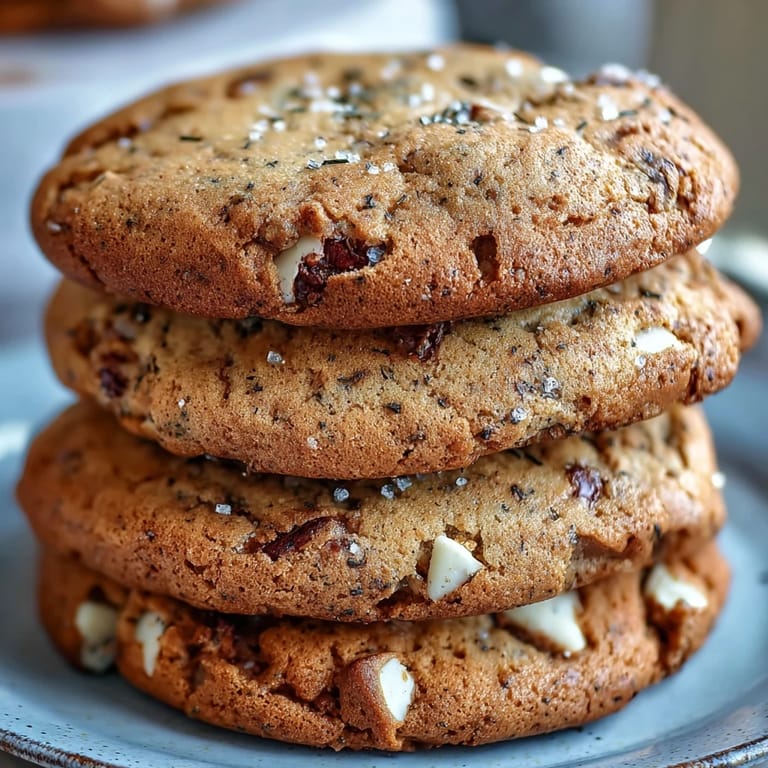
I made these for my coworker's promotion party, and three people asked for the recipe before they'd even finished eating—one woman actually texted me the next day asking if I could teach her the technique because she wanted to impress her in-laws. Watching people slow down and actually taste these cookies instead of mindlessly munching was a small kitchen victory that reminded me why baking matters.
The Magic of Brown Butter in Baking
Brown butter isn't just melted butter with extra steps; it's a completely different ingredient with a deeper, almost caramelized flavor that transforms ordinary baked goods into something worth remembering. The milk solids that sink to the bottom of the pan during browning contain all the nutty, toasted flavor compounds that regular butter simply doesn't have. I started using brown butter in everything after this recipe, from shortbread to brownies, and it's become my secret weapon whenever I want baked goods that taste like they came from a real bakery instead of a box mix.
Tea as a Serious Baking Ingredient
Most people think tea belongs only in beverages, but when you toast it and grind it into flour, it becomes this subtle flavor layer that adds complexity without tasting bitter or overly floral. The hojicha and Earl Grey combination works because hojicha is already roasted and mellow while Earl Grey brings brightness and a hint of citrus—together they create a balanced flavor profile that feels sophisticated without being pretentious. I've started experimenting with other tea varieties in cookies and it's opened up a whole new world of flavoring possibilities that don't require any unusual ingredients.
Why White Chocolate Actually Belongs Here
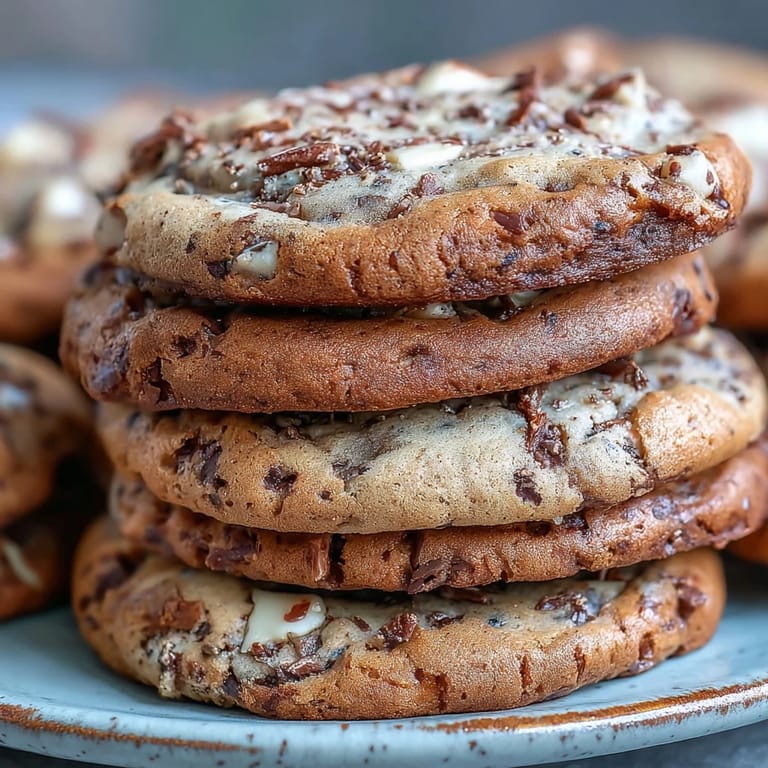
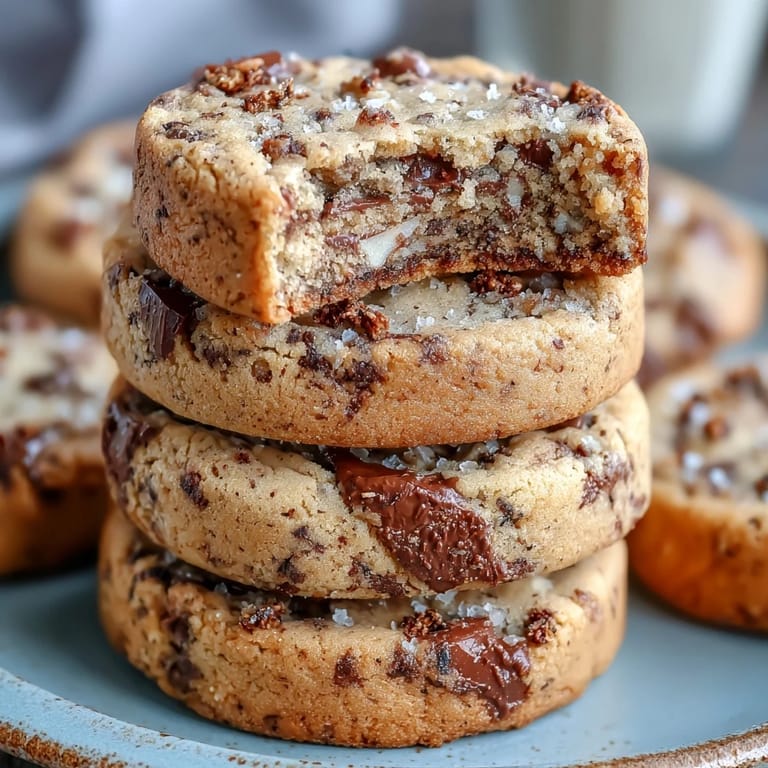
White chocolate gets dismissed as too sweet or too boring, but in these cookies it serves a specific purpose—it provides creamy pockets of sweetness that balance the earthy tea notes and prevent the cookies from tasting too austere or tea-forward. The white chocolate shouldn't shout; it should whisper and let the tea shine, which is why chopping your own white chocolate bar works better than oversized chips that feel clunky. Some flavor combinations are obvious, but this one required a moment of intuition to realize that white chocolate and hojicha were meant for each other.
- If you can't find quality white chocolate, high-quality white baking chips from specialty stores work perfectly well.
- Chopping the chocolate by hand instead of using pre-made chips gives you more control over chunk size and texture.
- Store these cookies in an airtight container with a piece of parchment paper between layers so they stay soft for up to five days.
 Pin It
 These cookies have become my go-to when I want something that feels like a gift but doesn't require hours of work. There's something deeply satisfying about pulling a batch from the oven and knowing they're going to make someone's day just a little bit better.
Recipe Questions & Answers
- → What makes these cookies unique?
The combination of browned butter creates nutty caramel notes while hojicha adds roasted earthiness and Earl Grey provides floral bergamot undertones, creating layered complexity.
- → Can I skip the chilling time?
Chilling for at least 1 hour helps prevent excessive spreading and enhances flavor development. Overnight chilling deepens the tea flavors and improves texture.
- → What's the best chocolate to use?
White chocolate complements the tea flavors beautifully, but dark chocolate creates an excellent contrast. Chop bars into chunks for better distribution.
- → How should I store these?
Store in an airtight container at room temperature for up to 5 days. The flavors continue to develop and improve over the first two days.
- → Can I make the dough ahead?
Yes, refrigerate dough for up to 3 days or freeze for up to 3 months. Thaw frozen dough overnight in the refrigerator before baking.
- → What if I can't find hojicha powder?
Substitute additional Earl Grey or use matcha for a different flavor profile. Ground regular green tea works but lacks the roasted notes.