 Pin It
 There's something magical about laying out a checkerboard garden on a tray—it's the moment when precision meets appetite, when your guests actually gasp before tasting anything. I discovered this dish while experimenting with how to make something feel like edible art, combining creamy whites with that shocking vibrant green that only fresh herbs can deliver. The beauty of it is that it requires no cooking, just patience and a steady hand with a spatula. It became my go-to move when I wanted to impress without spending hours in the kitchen.
I'll never forget pulling this out for a dinner party where someone had just canceled their catering order. My kitchen suddenly became the pressure cooker, but laying down those alternating squares felt meditative instead of stressful—something about the repetition and the visual reward made the whole thing feel less like emergency cooking and more like a puzzle I actually wanted to solve. By the time guests arrived, I wasn't frazzled; I was proud.
Ingredients
- Fresh mozzarella, sliced (150 g): The creamy blank canvas that lets everything else shine; buy it the day you're making this because it's best when it hasn't had time to dry out.
- Ricotta cheese (150 g): This is your spreadable star, so make sure it's cold and thick enough to hold its shape without becoming a mess.
- Feta cheese, sliced (150 g): The salty personality that keeps bites interesting; use good quality feta or your whole checkerboard loses its voice.
- Fresh basil leaves (1 cup): The foundation of green; if you can find sweet basil at a farmer's market, grab it because it matters.
- Fresh flat-leaf parsley (1 cup): The herb that doesn't overshadow basil but makes it better; curly parsley will work but the flavor gets a little bitter.
- Chives, chopped (2 tbsp): A whisper of onion that nobody can quite identify but everybody notices.
- Extra virgin olive oil (2 tbsp): The binder and carrier of flavor; taste it before you pour it because cheap oil will betray your checkerboard.
- Small garlic clove (1): One clove is honestly enough—you want the herbs to lead, not garlic to bulldoze in.
- Lemon zest (1 tsp): The secret brightness that makes people ask what's in this; use a microplane, not a box grater, for the finest result.
- Salt and pepper, to taste: Season as you go because ricotta and feta already carry salt, and you'll thank yourself for not over-salting.
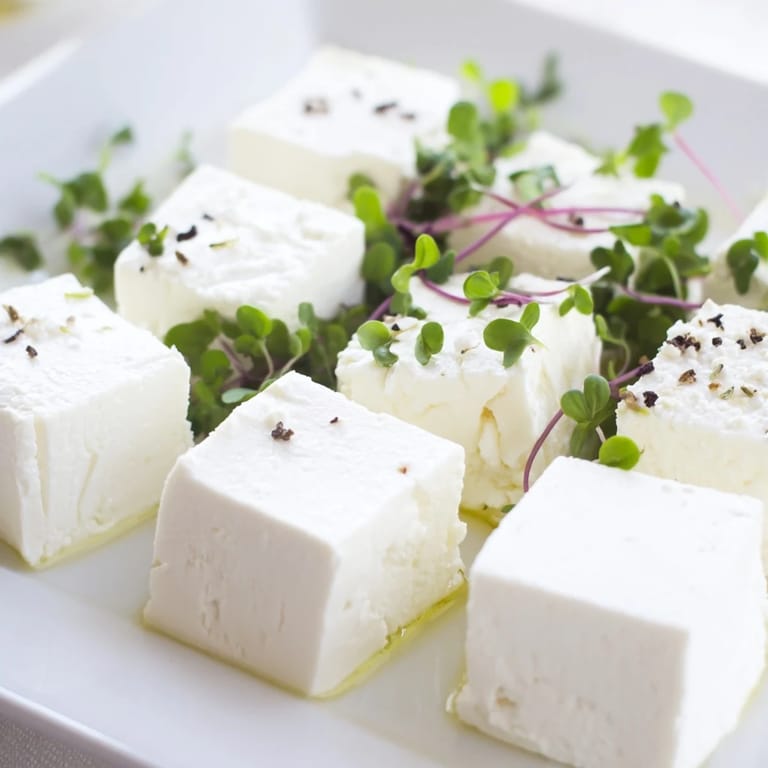
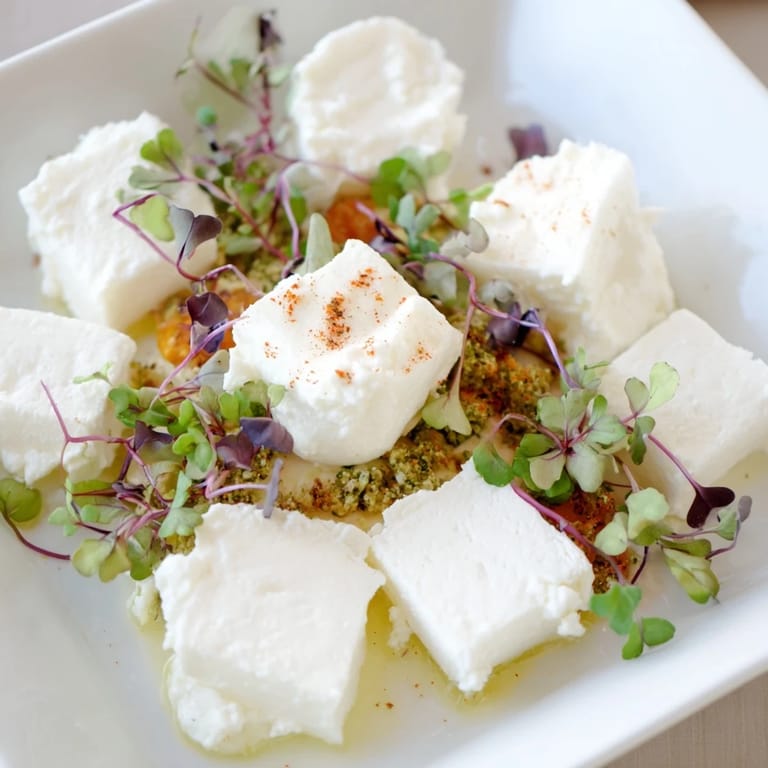
- Microgreens or edible flowers for garnish (optional): The final flourish that turns this from pretty to unforgettable; peppery microgreens are my move.
- Freshly ground black pepper: Applied at the very end so it stays dark and visible against the whites.
Tired of Takeout? 🥡
Get 10 meals you can make faster than delivery arrives. Seriously.
One email. No spam. Unsubscribe anytime.
Instructions
- Blend your herb garden:
- Pulse the basil, parsley, and chives together first so they're roughly chopped, then add the garlic, olive oil, lemon zest, salt, and pepper. The moment everything turns that shocking green and smells like summer, you're done—over-processing turns it muddy and brown.
- Prep your stage:
- Line your tray with parchment paper so you can lift the entire checkerboard off clean. This isn't just practical; it's the difference between a showstopper moment and a tragic slide-apart situation.
- Cut your cheese squares:
- Mozzarella and feta need to be uniform—use a ruler or small square cutter if you have one, or just eyeball it if you're confident. The precision matters more for how it looks than how it tastes, so don't panic if they're slightly irregular.
- Spread your ricotta:
- Cold ricotta spreads easier, so work fast and use an offset spatula with confidence. If it's resisting, dip the spatula in water—that small adjustment makes it glide instead of drag.
- Build your pattern:
- Alternate cheese square, herb square, cheese square, herb square, working in straight rows. A piping bag makes the herb paste neater, but spreading it flat with that offset spatula works beautifully too if you trust your hands.
- Garnish and chill:
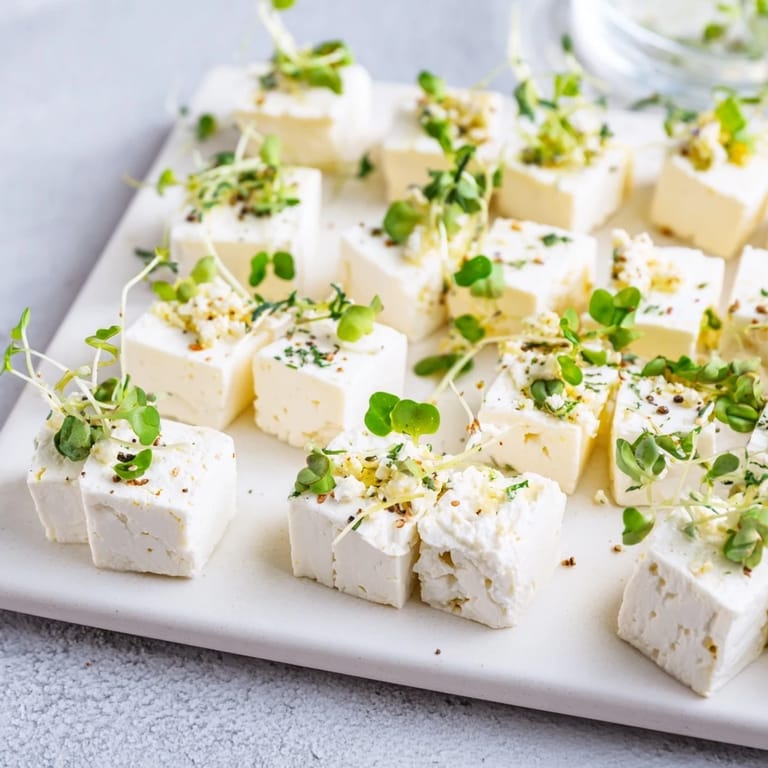
- Top with microgreens, edible flowers, or a whisper of black pepper, then refrigerate for at least ten minutes so everything sets and the cheeses firm up just slightly. This makes slicing and serving infinitely cleaner.
 Pin It
There was a moment during that emergency dinner party when a guest asked for the recipe, and another guest interrupted to say, 'No, don't tell her—let her have the magic of figuring it out.' That's when I realized this dish had become something bigger than just an appetizer; it was the kind of thing people remember as the moment they felt welcomed.
The Art of Visual Appetite
Food photographers know a secret that home cooks often miss: people eat with their eyes first. This checkerboard garden is built on that principle—the contrast between those creamy whites and that brilliant green literally stops conversation. When you're plating it, remember that clean lines matter less than confidence; a slightly wonky checkerboard still reads as intentional and stunning, while a hesitant, over-corrected version looks like you doubted yourself. Stand back and look at it from a few angles before you chill it, because you might spot an adjustment that makes it sing.
Timing and Make-Ahead Strategy
The beauty of this dish is that it's almost better when made a few hours ahead. The flavors meld, the cheeses firm up, and you get to skip the panic of assembly right before guests arrive. I've made it the morning of an event and had it waiting in the fridge, which freed up my whole evening to handle the actual cooked food. If you're doing this for a party, this is your stealth weapon—the thing that makes you look organized while other components are still chaotic.
Variations That Keep It Interesting
Once you nail the basic checkerboard, the variations practically invent themselves. Swap goat cheese for ricotta if you want something tangier, or layer thin cucumber or radish slices beneath the cheese squares for a vegetable surprise. I've experimented with different herb combinations—mint and basil for a summer version, more dill and tarragon for something earthier—and each one still feels distinctly like a checkerboard garden. The framework is so solid that you can play within it without losing the magic.
- Try swapping in a mixture of herbs like mint, tarragon, and basil depending on the season or what you have growing in your garden.
- Layer paper-thin vegetables like cucumber, radish, or even beet slices under your cheese squares for textural interest and subtle flavor shifts.
- Pair whatever you make with something crisp like Sauvignon Blanc or Pinot Grigio, or skip wine entirely and serve it with toasted bread and good butter on the side.
 Pin It
 This checkerboard garden exists in this wonderful space where precision meets permission to play, where entertaining feels less like a test and more like an invitation to your table. Make it once and you'll find yourself planning reasons to make it again.
Recipe Questions & Answers
- → How do I create the herb mixture?
Combine fresh basil, parsley, chives, olive oil, garlic, lemon zest, salt, and pepper in a food processor until smooth and vibrant.
- → What cheeses are best for this dish?
Fresh mozzarella, creamy ricotta, and crumbly feta provide balanced textures and flavors ideal for layering.
- → Can I prepare this ahead of time?
Yes, assemble and chill for 10-15 minutes before serving to enhance presentation and flavors.
- → What garnishes complement this platter?
Microgreens, edible flowers, or a sprinkle of freshly ground black pepper add attractive finishing touches.
- → Are there any suggested accompaniments?
Serve alongside crackers, toasted bread, or fresh crudités for a complete spread.