 Pin It
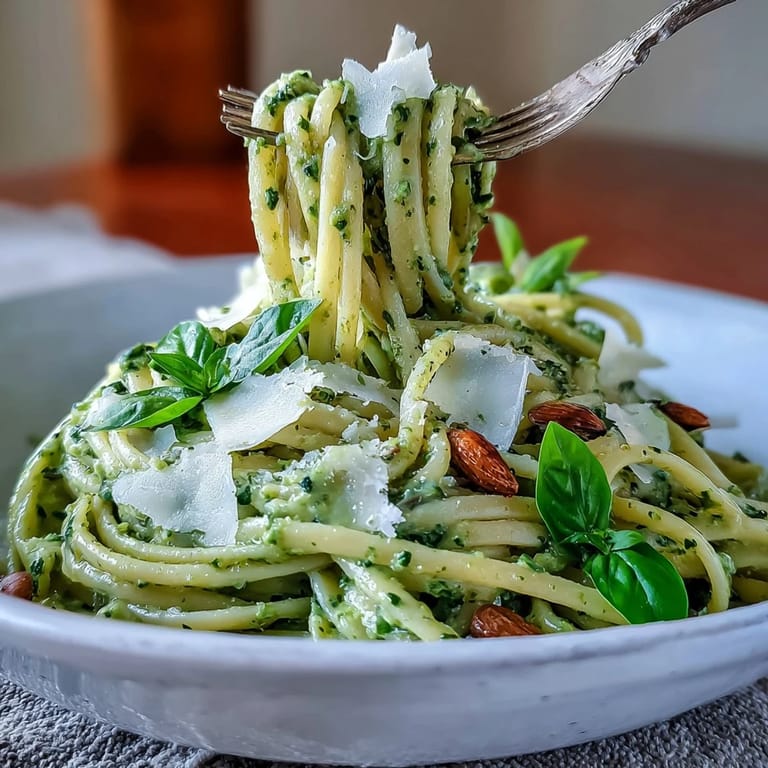
 It all started on a sweltering summer day when turning on the stove for more than ten minutes felt impossible. Avocados on the counter were perfectly ripe, just begging to be used, and a bunch of basil from the market gave off a scent that made my whole kitchen smell alive. That shimmering green sauce came together in a flash, surprising me with how lavish something uncooked could feel. Moments like these are why I keep this recipe close—a lifesaver when I want real food without breaking a sweat.
One Sunday, a friend arrived unexpectedly with a bottle of wine and nothing else, so I grabbed what I had on hand and whipped up this pasta—halfway through, we both laughed at the sight of green sauce clinging to our forks, but we agreed it tasted like sunshine in a bowl.
Ingredients
- Pasta: Choose spaghetti or linguine—if you need it gluten-free, the sauce is forgiving with alternative noodles and clings even better to textured shapes.
- Ripe avocados: The riper, the silkier the sauce; test with a gentle squeeze so they blend to velvet.
- Fresh basil leaves: Freshness is crucial—I once tried with wilting leaves and the color and flavor just weren’t the same.
- Pine nuts (or walnuts): Pine nuts make it indulgent, but walnuts bring a subtle earthiness for variation.
- Garlic: Just enough to add warmth and depth without overpowering (and don’t forget, a tiny garlic mishap goes a long way in a raw sauce!)
- Parmesan cheese: Finely grated melts right in; swap for vegan cheese if you like.
- Lemon juice: Its acidity keeps the avocado bright—roll the lemon on the counter for juicier results.
- Extra virgin olive oil: Adds body and that signature Mediterranean feel.
- Salt and black pepper: Always taste and season last; the Parmesan already brings saltiness.
- Optional Garnishes (extra Parmesan, basil, lemon zest): A little flourish on top changes the dish from simple to celebratory.
Tired of Takeout? 🥡
Get 10 meals you can make faster than delivery arrives. Seriously.
One email. No spam. Unsubscribe anytime.
Instructions
- Bring the pasta to a boil:
- Fill your largest pot with water and add a hearty handful of salt—when it bubbles fiercely, drop in the pasta and give it a quick stir to stop sticking.
- Make the creamy avocado pesto:
- As the pasta cooks, toss ripe avocados, fresh basil, pine nuts, garlic, Parmesan, lemon juice, and olive oil into a food processor; blitz until the sauce is dreamy and smooth, pausing to scrape down the sides and seasoning to taste with salt and pepper.
- Toss and blend:
- Once the pasta's al dente, reserve some of that starchy water, drain, and return it to the pot; pour over the vivid green pesto and a splash of pasta water—tumble everything together gently, adding more water if you want it silkier.
- Garnish and serve:
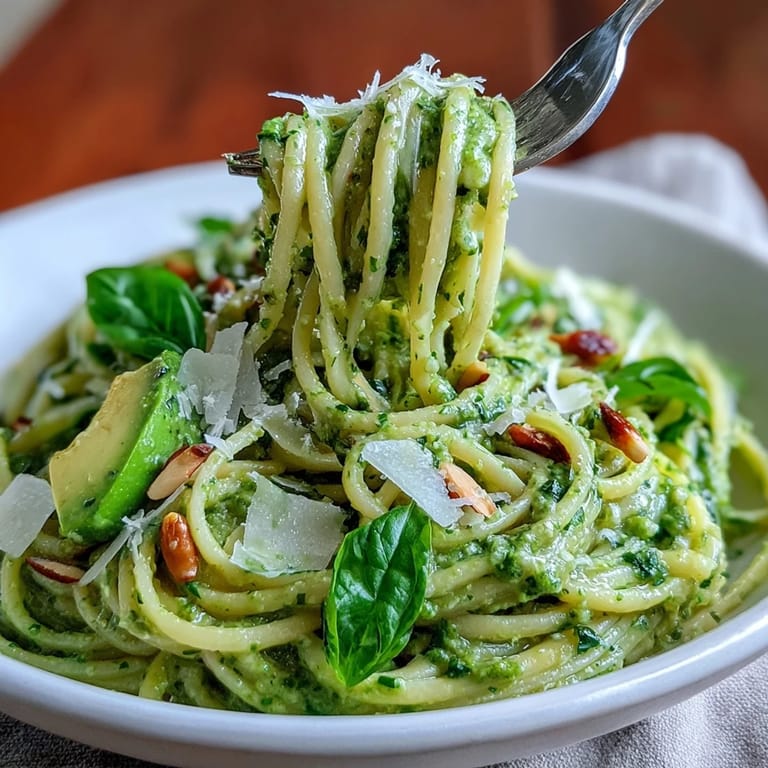
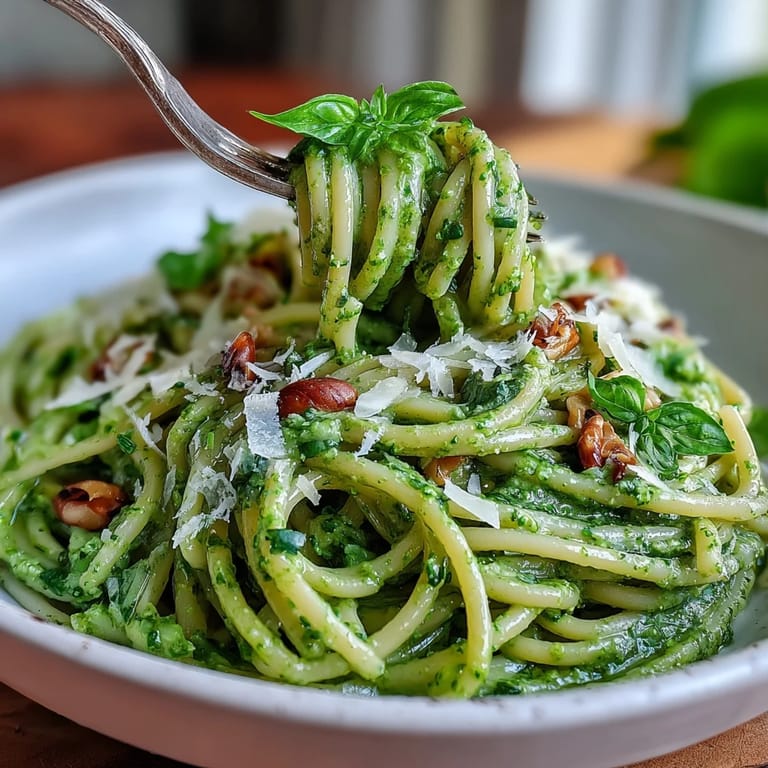
- Pile the pasta onto plates and top with shavings of Parmesan, torn basil, and a dusting of lemon zest for a little extra zing—bring it straight to the table while it’s at its freshest.
 Pin It
  Pin It
It was last spring, with a few friends crowded around my kitchen table, when someone closed their eyes after the first bite and sighed—right then it became our go-to comfort food for any occasion, not just rushed dinners.
Making It Work for Weeknights
I’ve learned that prepping all your ingredients ahead—avocado peeled, basil washed, nuts portioned—means you can pull this off before anyone even notices you’re making dinner. It’s a lifesaver on nights when you want to eat well but lose track of time scrolling or catching up after work.
Customize to Your Mood
This recipe is endlessly flexible: swap in walnuts for pine nuts if that’s what’s on hand, or sprinkle in a few cherry tomatoes for a burst of color and sweetness. I’ve even stirred through baby spinach leaves or topped with grilled veggies for a heartier feel, and it always disappears fast.
Lessons Learned the Delicious Way
Blending the sauce while the pasta cooks means dinner comes together in a flash, but it took me a couple tries to realize chilled plates keep everything creamy instead of sticky if you linger at the table.
- If the sauce looks too thick, just add a splash more pasta water and watch the magic happen.
- Always taste and adjust for salt and lemon—it’s the difference between nice and wow.
- Serve immediately; avocado just isn’t the same after sitting out too long.
 Pin It
  Pin It
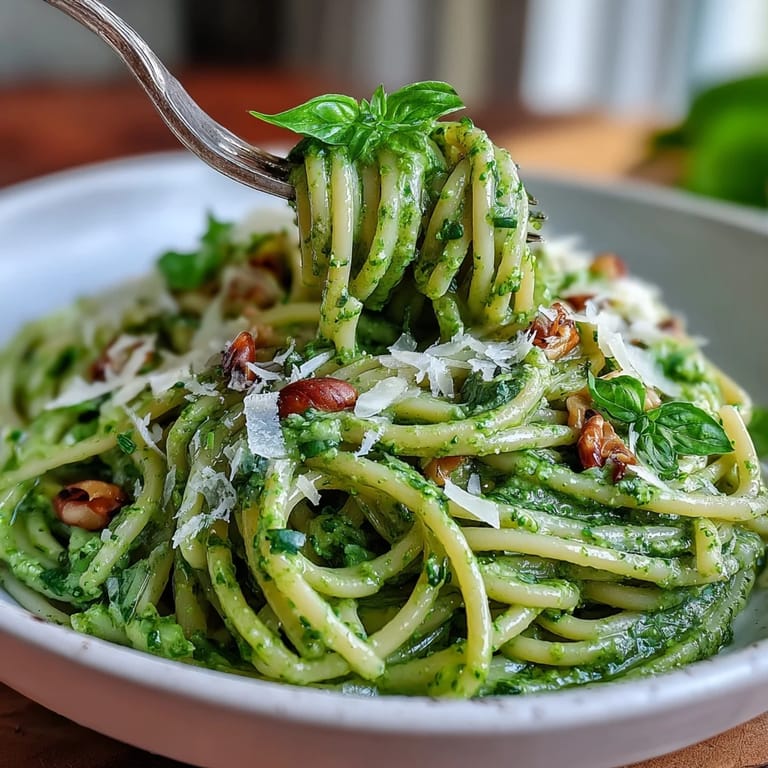
 May this dish bring as much ease and color to your table as it has to mine—even on the busiest evenings, a little green can go a long way.
Recipe Questions & Answers
- → Can I make the avocado pesto ahead of time?
You can blend the sauce up to a few hours ahead and keep it chilled, but it will darken slightly. Press plastic wrap directly on the surface or add a little extra lemon juice to slow browning. Best combined with pasta just before serving.
- → How do I prevent the sauce from becoming watery?
Use ripe but firm avocados and add reserved pasta water sparingly. Start with a couple of tablespoons and increase only until you reach the desired creaminess—too much water will thin the sauce.
- → What are good nut substitutes for pine nuts?
Walnuts or almonds work well and give a slightly different flavor and texture. Toasting the nuts briefly enhances their aroma before blending.
- → Which pasta shapes pair best with this sauce?
Long strands like spaghetti or linguine carry the creamy sauce nicely, while short shapes with ridges, such as fusilli or penne, hold bits of pesto for a more textured bite.
- → Can I make a dairy-free version?
Yes—use a vegan Parmesan alternative or nutritional yeast and increase the lemon or salt to boost savory depth. Taste and adjust seasoning before tossing with pasta.
- → How should leftovers be stored and reheated?
Store in an airtight container in the fridge for up to 1 day; the avocado sauce will darken. Reheat gently with a splash of water in a pan or refresh with a little lemon and olive oil and serve cold over fresh pasta.