 Pin It
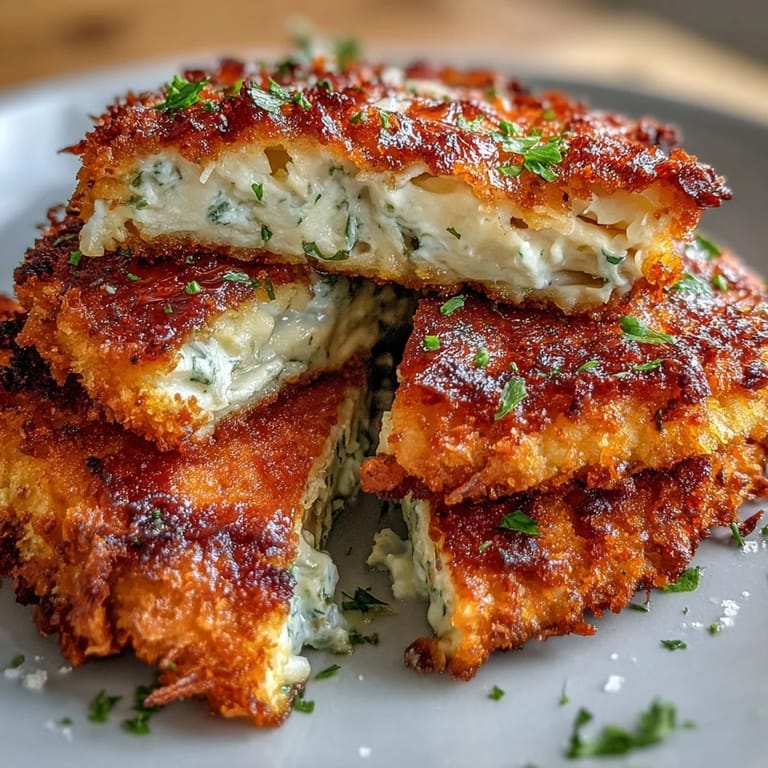
 The clatter of pans and the sizzling aroma in my kitchen one rainy afternoon convinced me to finally tackle cabbage schnitzel. Usually, I’d reach for the classic pork or chicken, but the towering green cabbage on my counter looked too inviting to resist. The transformation from simple vegetable to something golden and audibly crisp felt oddly satisfying. That day, the weather outside was dreary, but the cheerful crunch at my table made the kitchen downright celebratory. Who knew honoring tradition with a vegetable twist could be this rewarding
I laughed when my partner peeked into the kitchen, skeptical that cabbage could compete with his grandma’s schnitzel. As we set the table together—him with lemon wedges, me dusting parsley—I noticed he kept sneaking bites straight out of the pan. It turned into a lively dinner of trading stories, licking salty fingers, and agreeing that sometimes, trying something new is the best part of cooking for someone else. Even the cat circled us, hoping for a crumb or two. It’s now requested regularly when we crave something both hearty and a little playful.
Ingredients
- Green cabbage: Seek out a tight and heavy head; keeping the core attached prevents the slices from falling apart during cooking.
- Eggs: They’re the sticky middleman that help breadcrumbs cling for the famous schnitzel crust—let them come to room temperature for easier blending.
- All-purpose flour: A light dusting is crucial; shake off excess so your coating stays crisp, not clumpy.
- Breadcrumbs (preferably panko): Panko makes each bite shatteringly crunchy—toast them briefly for extra flavor if you like.
- Salt and black pepper: Generous seasoning matters here since cabbage is mild—don’t skimp.
- Sweet paprika: This adds gentle warmth and a gorgeous color; swap for smoked if you love a deeper kick.
- Garlic powder: A sprinkle brings subtle savory depth—mix evenly into the breadcrumbs for consistency in every bite.
- Vegetable oil: Use a neutral oil with a high smoke point, like sunflower or canola—heat it until shimmering for the perfect fry.
- Optional parsley and lemon wedges: Chopped parsley brightens up the plate, and a squeeze of lemon at the end lifts every flavor.
Tired of Takeout? 🥡
Get 10 meals you can make faster than delivery arrives. Seriously.
One email. No spam. Unsubscribe anytime.
Instructions
- Slice the cabbage:
- With a sharp knife, cut the cabbage into thick rounds, about one inch, so each piece stays intact for breading and frying.
- Blanch for tenderness:
- Drop the slices into a large pot of salted boiling water for just three to four minutes, then drain and carefully pat dry—this softens them perfectly.
- Prepare the breading stations:
- Set out three shallow bowls for a smooth assembly line: flour, beaten eggs, then seasoned breadcrumbs.
- Bread the cabbage:
- Coat each slice first in flour, then dip in egg, and finish with a generous press into breadcrumbs—the messier your fingers, the better it seems to stick.
- Fry to golden perfection:
- Heat the oil in a large skillet until shimmering; lay down the cabbage slices gently and let them sizzle for four to five minutes per side until deeply golden.
- Drain and garnish:
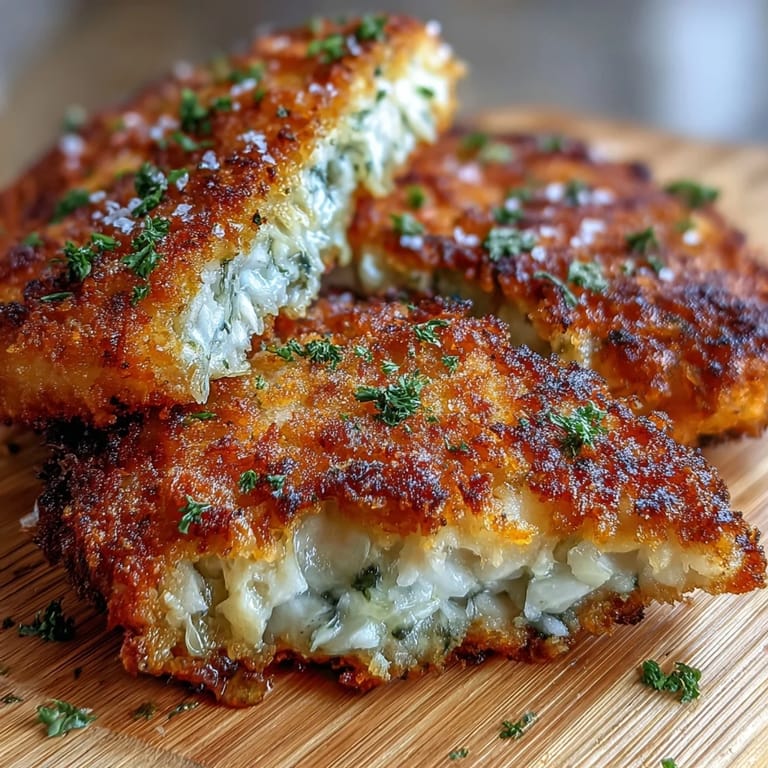
- Transfer to paper towels to blot extra oil, then shower with parsley and serve with bright lemon wedges while still hot.
 Pin It
One afternoon, as I plated up the schnitzels for friends during an unplanned game night, someone actually paused mid-laugh to say, “Wait, is this really just cabbage” It felt like a tiny magic trick. The whole table started guessing ingredients and marveling at the transformation, and for a moment, dinner was both an appetizer and a conversation starter. Seeing people surprised—and delighted—by something so simple is a kitchen victory that still makes me smile. That night, cabbage stole the spotlight and nobody missed the meat.
How to Serve It Up
If you want to turn this into a proper meal, pair the schnitzel with buttery mashed potatoes or a tangy potato salad. It sits just as happily alongside a crisp, vinegary cucumber salad or even a pile of sweet roasted carrots. Leftovers reheat surprisingly well in the oven for a late-night treat—just be sure to sprinkle a bit more fresh parsley. Even slices tucked into sandwiches with extra lemon and mustard are hard to beat. Changing up the sides keeps the whole experience fresh, no matter how many times you make it.
Making It Your Own
Swap out flavorings in the breading depending on your mood: a pinch of smoked paprika, a handful of grated Parmesan, or even a dusting of chili flakes can liven things up instantly. I’ve even tried a gluten-free version with rice flour and GF breadcrumbs; it held up beautifully. For a vegan crowd, sub plant milk and a whisk of cornstarch for the eggs—no one will know what they’re missing. The best part is messing around and finding your house’s favorite version. There’s always room for creativity here.
Little Kitchen Secrets for Success
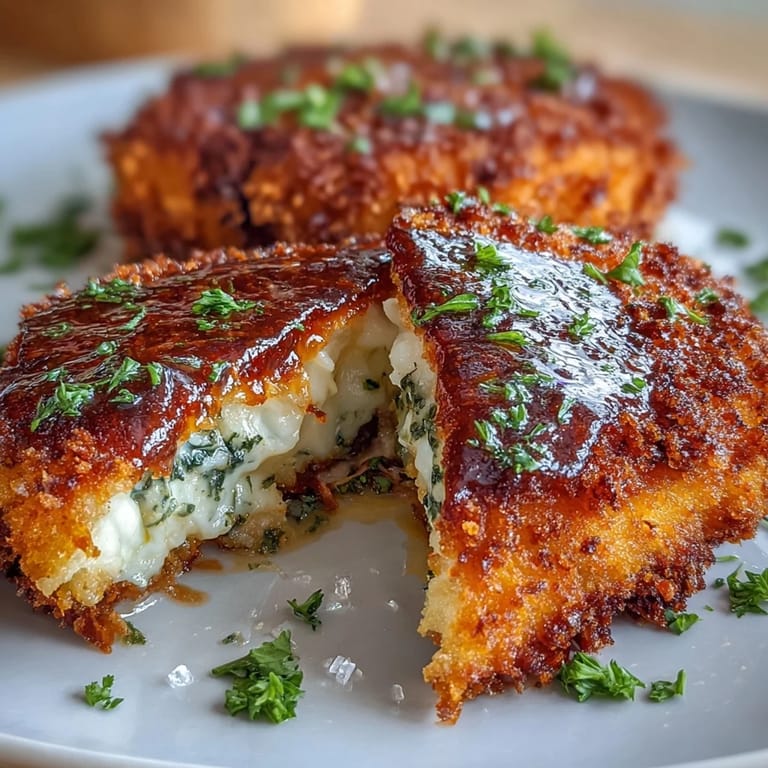
Pressing the breadcrumbs firmly, but gently, makes all the difference—the more even the layer, the more satisfying the crunch. Don’t crowd the pan or the slices will steam instead of frying and lose all that lovely crispness. And if you sneak a bite or two hot from the pan, you won’t be able to stop yourself—I certainly can’t.
- Letting the schnitzels rest for a minute before serving keeps the crust intact.
- Use a fish spatula or wide tongs for easy, mess-free flipping.
- Have extra lemon wedges on hand—no one ever thinks they want them, until they do.
 Pin It
 Cabbage schnitzel is one of those happy surprises no one expects to love—until they try it. I hope it brings as much fun to your kitchen as it has to mine.
Recipe Questions & Answers
- → How should I slice the cabbage so the rounds hold together?
Keep the core intact and slice 1-inch thick rounds; the core acts as a spine to hold the layers together. Remove loose outer leaves for a cleaner presentation.
- → Why is blanching the cabbage important?
Blanching softens the dense cabbage and shortens frying time, helping the rounds cook through without burning the crust. Blanch 3–4 minutes until just tender.
- → Which breadcrumbs give the best crunch?
Panko breadcrumbs create an airy, extra-crisp crust. Regular breadcrumbs work too; for more flavor, mix in grated hard cheese or dried herbs.
- → What temperature and technique should I use when frying?
Heat oil over medium so the exterior browns evenly; fry in batches without overcrowding and adjust heat to maintain a steady sizzle. Drain on paper towels to remove excess oil.
- → How can I make a vegan version?
Replace eggs with a slurry of plant-based milk and a tablespoon of flour or cornstarch to bind the crumbs. Press crumbs firmly to help them adhere during frying.
- → How do I store and reheat leftovers to keep them crisp?
Store cooled pieces in an airtight container in the fridge for up to 2 days. Re-crisp in a skillet over medium heat or in a 375°F oven until hot and crunchy.