 Pin It
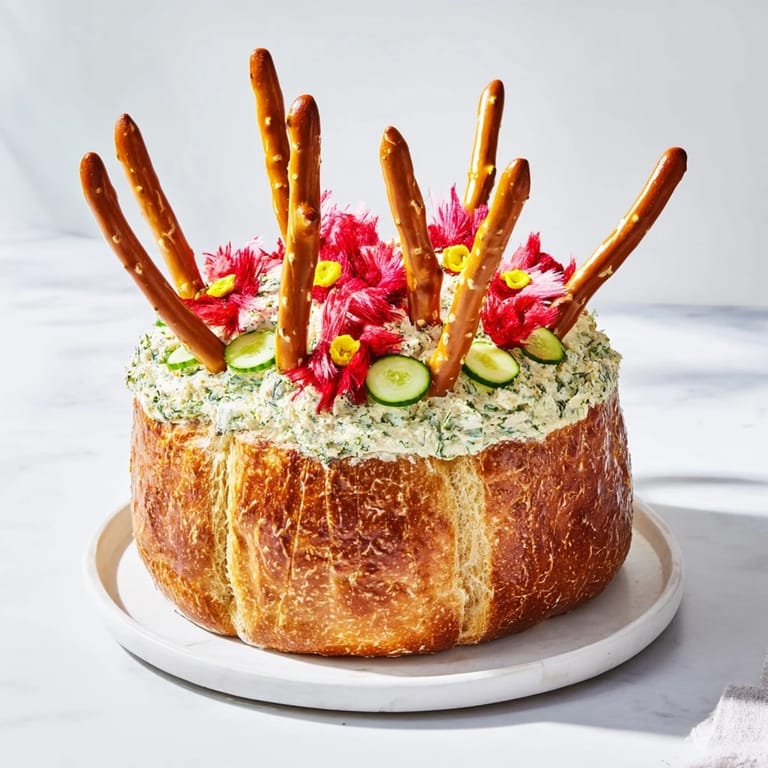
 I still remember the moment I decided to turn dinner into art. It was a summer afternoon when I had friends coming over, and I wanted to create something that would make them smile the instant they walked through the door. I'd been thinking about the desert—those impossibly beautiful cacti blooming in the harshest landscapes—and suddenly it clicked. Why not bring that magic to the table? The Desert Cactus Bloom was born from that simple desire to blend edible creativity with conversation-starting beauty, and it became the dish I now make whenever I want food to feel like an experience rather than just sustenance.
The first time I made this, my niece watched the entire construction process, asking questions about every pretzel and flower petal. By the end, she felt like she'd helped create something magical, and that's when I realized this recipe transcends being just food—it's an invitation to slow down and play in the kitchen together.
Ingredients
- Sturdy loaf of bread (sourdough boule or round rye): This is your anchor, your foundation. A round loaf works best because it gives you that perfect dome to work with. Sourdough holds up beautifully and adds a subtle tang, but honestly, any substantial bread with a tight crumb will do the job.
- Herbed cream cheese: This is your adhesive and your flavor base all at once. It's what makes those pretzel spikes actually stick and stay put. If you go vegan, hummus works just as well and brings its own earthy charm.
- Long pretzel sticks: These are your cactus needles, and they need to be sturdy enough to stand upright without bending. They should be at least 3 to 4 inches long. Fresh rosemary sprigs are a beautiful alternative if you want to lean into the garden-fresh aesthetic.
- Red or pink fruit leather: These become your desert flowers, and they're surprisingly forgiving to work with. The flexibility of fruit leather makes it perfect for layering and positioning. If you can't find them, thin strips of roasted red pepper work in a pinch.
- Yellow fruit leather or dried mango: This optional addition is your flower center—those tiny details that make guests lean in and take a closer look.
- Cucumber rounds: These sit at the base like actual cactus pads and add a fresh, crisp element that balances the richness of the cream cheese.
- Fresh herbs for garnish: Parsley or cilantro scattered around the base adds color and signals to everyone that yes, this is actually meant to be eaten.
Tired of Takeout? 🥡
Get 10 meals you can make faster than delivery arrives. Seriously.
One email. No spam. Unsubscribe anytime.
Instructions
- Prepare your foundation:
- Take that bread loaf and slice off a thin piece from the bottom—just enough to create a completely flat, stable base. You want this sitting absolutely still on your platter because you're about to load it up with pointy things. Place it dead center on your serving surface.
- Create your adhesive landscape:
- Now comes the generous part. Spread that herbed cream cheese all over the top and down the sides of the loaf like you're frosting a cake, except this frosting is going to hold your desert together. Be generous but not sloppy—you need enough to grip those pretzel sticks.
- Build your cactus arms:
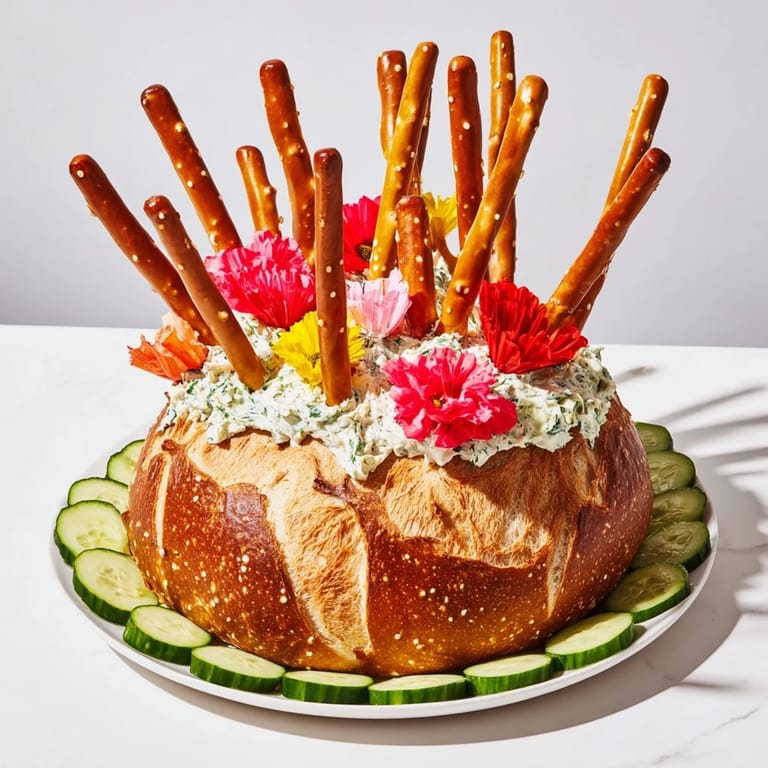
- Here's where it gets fun. Take those long pretzel sticks and begin inserting them vertically into the bread, working in small clusters. Vary the heights and angles as you go—some pointing straight up, some leaning slightly outward, some clustered close together. Think of how a real saguaro cactus has those arms reaching in different directions. This is where your arrangement goes from craft project to living, breathing desert landscape.
- Craft your flowers:
- Using small cookie cutters or just careful scissor work, cut flower shapes from that fruit leather. If you're using the yellow center, cut tiny circles to glue in the middle of each bloom. Feel the leather—it's flexible and forgiving, so don't worry about perfection here.
- Position your blooms:
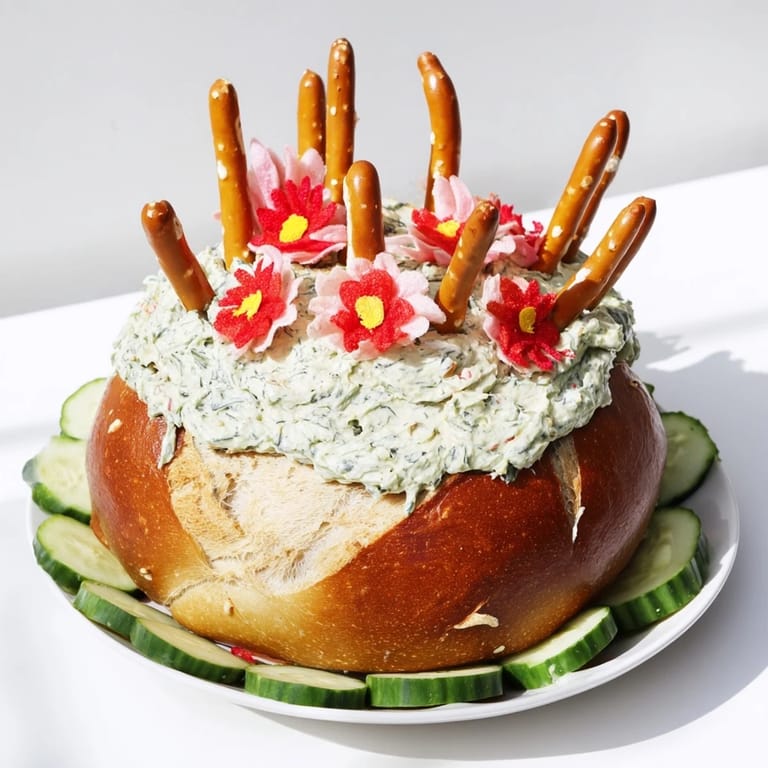
- Gently press those fruit leather flowers onto the pretzel spikes and across the cream cheese landscape. If they're not sticking, a tiny dab of cream cheese underneath acts like nature's glue. Layer them in clusters, overlap them slightly, let some hang off edges.
- Ground it with cucumber:
- Arrange those cucumber rounds around the base of your bread loaf like actual cactus pads. This creates a sense of landscape, of place. It also gives the first thing people taste a cool, refreshing note.
- The final flourish:
- Scatter fresh herbs around if you're using them. This is your last chance to make it look intentional and garden-inspired rather than just experimental.
- Serve with intention:
- Bring it to the table and watch people's reactions. This is meant to be interactive—guests break off pieces, explore, discover flavors as they go. It's edible, it's beautiful, and it's meant to be touched.
 Pin It
There was this moment during one dinner party when someone bit into a cucumber round and tasted the cool, fresh crunch, then looked up and said, 'Wait, this whole thing is food?' That's the exact moment I knew I'd created something more than just a pretty appetizer. It became a conversation starter, a moment of genuine delight, and proof that sometimes the most memorable meals are the ones that surprise us.
Making It Personal to Your Guests
One of my favorite things about this recipe is how easily it adapts to whoever's sitting at your table. Have someone vegan? Swap the cream cheese for hummus and you've basically got the same magic. Gluten-free crowd? Use gluten-free pretzel sticks and bread, and nobody misses a beat. I've made versions where I used different colored fruit leathers to match someone's favorite colors, and suddenly it felt like I'd created something specifically for them. That personalization is where this dish really shines—it's not locked into one specific way of being made, which means it can be yours in whatever way makes sense for your kitchen and your people.
Timing and Preparation Strategy
The magic of this recipe is that it genuinely takes only 20 minutes from start to table, which means you can literally make this while your guests are arriving and still feel like a composed, organized human. I like to do my prep work ahead of time—cutting the cucumber rounds, cutting out flower shapes from the fruit leather, setting everything on the counter in small bowls—so that when it's time to assemble, I'm just putting pieces together rather than scrambling to prepare them. This turns the actual assembly into something meditative rather than stressful, and somehow that calm energy translates into a more beautiful final result.
Pairing and Serving Suggestions
This is an appetizer, but I've learned that it works best when you're thinking about what comes after it. A crisp, citrusy white wine is the obvious choice—something like a Sauvignon Blanc or Pinot Grigio that echoes the fresh herbs and cucumber. But honestly, sparkling lemonade might be even better, especially if you're serving this at a summer gathering. I also like to have extra vegetables on the side—sliced bell peppers, cherry tomatoes, maybe some celery—because people get excited about the creative presentation and then realize they want more fresh things to eat. Sometimes I'll set out a second dip, maybe a simple yogurt-based sauce, because bread and cream cheese together can feel rich, and people appreciate having options.
- Serve this on a platter that gives it room to breathe—you want people to see the whole landscape before they start breaking pieces off
- Make it 15 minutes before guests arrive so it looks fresh and the cream cheese is still cool and firm enough to hold everything together
- Have small plates or napkins nearby because people will want to graze while standing and talking, and broken pieces of fruit leather and pretzel are definitely going to happen
 Pin It
 This recipe taught me that food doesn't have to choose between being beautiful and being delicious, between being impressive and being actually achievable. Every time I make it, I remember why I started cooking in the first place—not for perfection, but for connection.
Recipe Questions & Answers
- → How do I keep the cactus sticks stable?
Spread herbed cream cheese or hummus thickly over the bread to help secure pretzel sticks or rosemary sprigs firmly in place.
- → Can I make this arrangement vegan?
Use hummus instead of cream cheese and choose vegan or gluten-free pretzel sticks to adapt the dish to vegan diets.
- → What alternatives can I use for cactus needles?
Fresh rosemary sprigs are a great aromatic alternative to pretzel sticks for a natural look and added flavor.
- → How do I create the colorful flowers?
Cut red or pink fruit leather into flower shapes using small cookie cutters or scissors, adding a yellow fruit leather center if desired.
- → What is the best way to serve this?
Present on a platter immediately, encouraging guests to break off pieces and enjoy the combination of textures and flavors interactively.