 Pin It
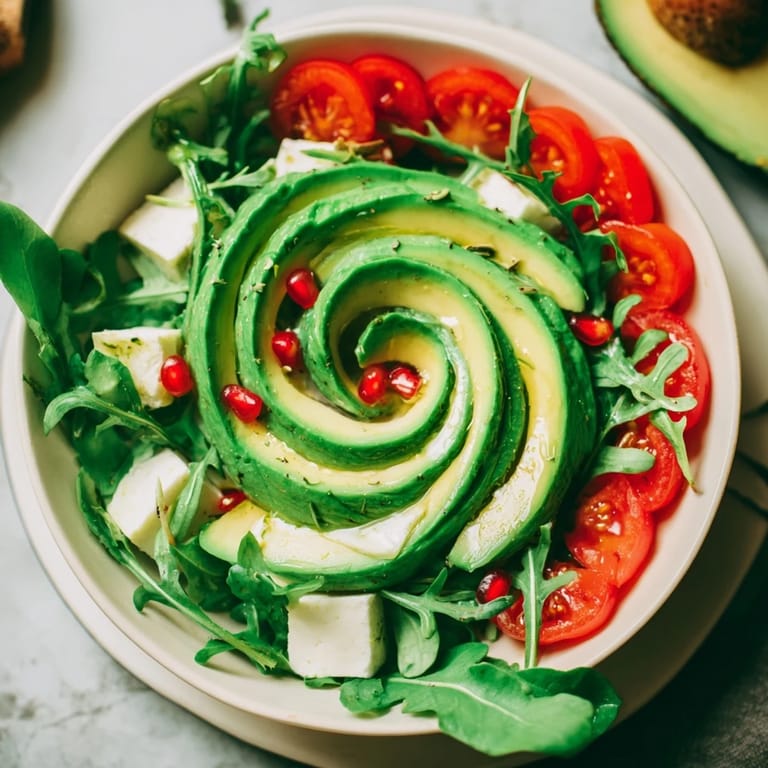
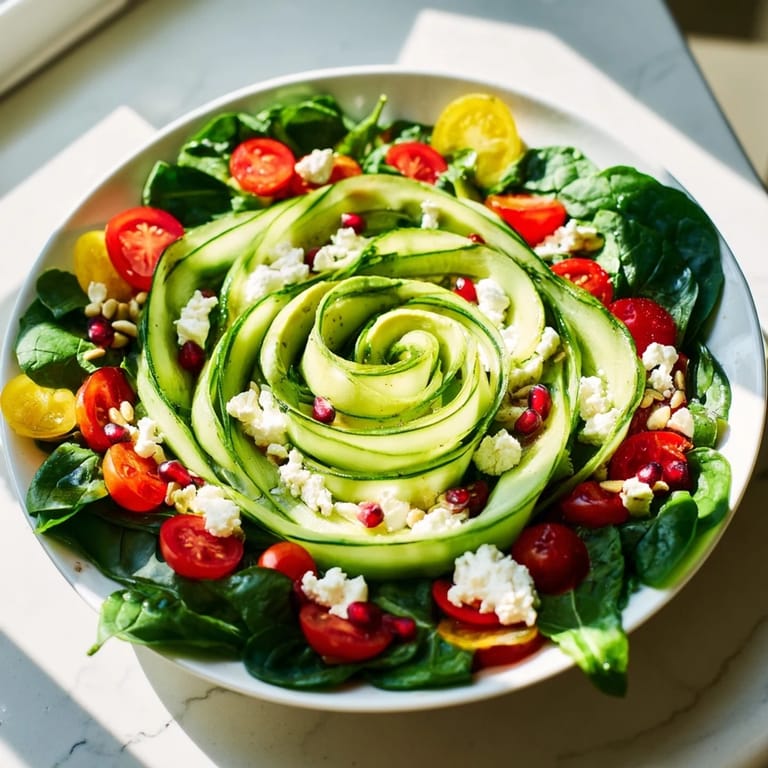
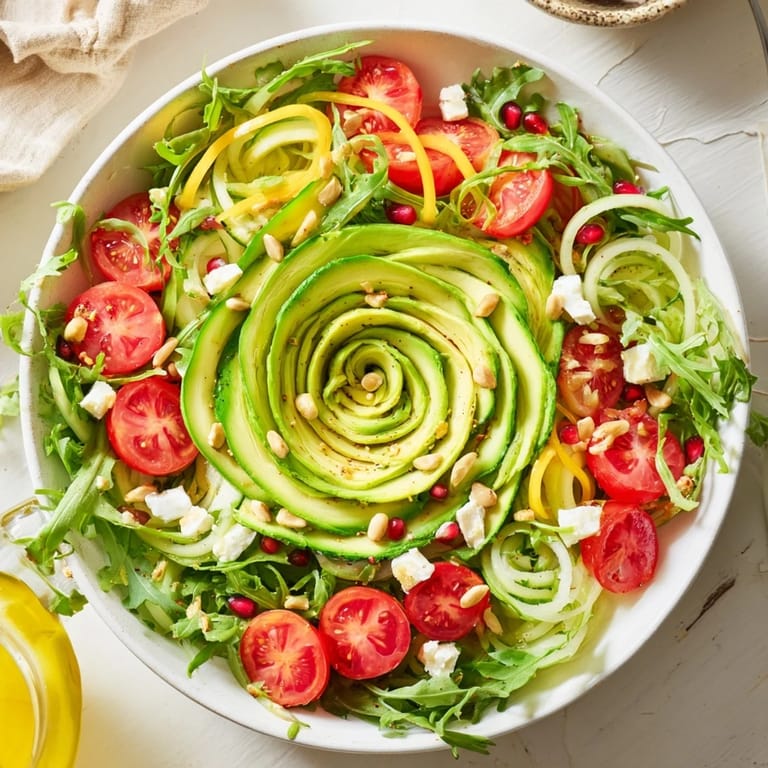
 One afternoon, while browsing a design book that had nothing to do with cooking, I stumbled onto a chapter about the Golden Ratio and couldn't help imagining it on a plate. The spiral shape, the way elements could dance toward a focal point—it felt like a puzzle waiting to be solved with fresh ingredients. I started playing around with arrangement that evening, layering colors and textures until something clicked. What began as an abstract experiment became one of those dishes people actually stop mid-conversation to photograph, not for pretense but because the plate itself tells a story.
I made this for a dinner party where I'd promised something 'simple but special,' and the moment people saw it plated, the whole room quieted. There's a power in serving something that looks intentional without screaming for attention, and I realized afterward that this salad does exactly that—it whispers rather than shouts.
Ingredients
- Mixed baby greens (arugula, spinach, watercress): Four cups creates a tender, peppery base that won't wilt under the dressing if you toss it gently at the last moment.
- Cherry tomatoes: One cup halved; their natural sweetness and jewel tones are essential to the color story, so choose the ripest ones you can find.
- Ripe avocado: One sliced just before assembly keeps it from browning and ensures creamy texture rather than mushiness.
- Yellow bell pepper: One thinly sliced adds brightness and crunch; the color contrast is part of the visual math here.
- Cucumber: One small one, thinly sliced, brings cooling freshness and a subtle crispness that holds up beautifully.
- Pomegranate seeds: Half a cup scattered throughout adds tartness, texture, and those jewel-like pops of color that catch the light.
- Feta cheese: Half a cup crumbled gives you salty, creamy moments that anchor the lighter vegetables.
- Toasted pine nuts: A quarter cup provides nutty depth and a buttery mouthfeel; toasting them yourself makes all the difference in flavor intensity.
- Extra-virgin olive oil: Three tablespoons of good quality—this is your dressing's backbone, so don't skimp or use something bland.
- Lemon juice: One tablespoon freshly squeezed, never bottled, lifts everything and keeps the flavors feeling bright.
- Honey: One teaspoon rounds out the dressing's edges and softens the mustard's bite.
- Dijon mustard: Half a teaspoon acts as an emulsifier and adds a whisper of sophistication without overpowering.
- Salt and freshly ground black pepper: Season to taste at the end, after you've tasted the dressing on a piece of greens.
Tired of Takeout? 🥡
Get 10 meals you can make faster than delivery arrives. Seriously.
One email. No spam. Unsubscribe anytime.
Instructions
- Create your green canvas:
- Spread the mixed greens across your largest serving platter in a gentle, organic sweep rather than an obvious spiral. Think of it as a garden that happens to follow nature's design—loose, inviting, real.
- Build the focal point:
- Imagine a point about two-thirds across your platter where you want the eye to land, then begin placing your larger elements (avocado slices, tomato halves) there. This isn't mathematical precision; it's intuition guided by visual weight, and the effect should feel natural, not forced.
- Arrange in layers outward:
- Moving from that focal point, place your vegetables in a gentle progression, letting colors blend and textures vary as you move toward the edges. Yellow pepper creates one path, cucumber another, pomegranate seeds filling gaps with punctuation marks of color.
- Add your finishing elements:
- Scatter the crumbled feta and toasted pine nuts across the arrangement, concentrating them slightly more toward the center for visual emphasis. This is where the salad stops being just vegetables and becomes a complete thought.
- Prepare the dressing:
- Whisk together oil, lemon juice, honey, and mustard in a small bowl until emulsified—it should smell bright and taste balanced before it ever touches the salad. Season with salt and pepper, tasting as you go, because this dressing needs to shine.
- Dress and serve immediately:
- Drizzle the dressing across the salad with intention, letting it catch the high points of the arrangement. Serve right away so the greens stay crisp and the whole composition remains intact, a moment of beauty before it becomes fuel.
 Pin It
There's a moment when someone you care about sees food you've arranged with intention and you watch their face shift—they understand immediately that this is about more than hunger. That's when a salad becomes something worth making again and again.
Making the Dressing Your Own
The dressing I've given you is a template, not a prison. I've found that adding a tiny pinch of shallot, minced so finely it nearly dissolves, brings an almost imperceptible depth. Some days I'll add half a teaspoon of sherry vinegar if the lemon feels too bright, or a whisper of maple syrup instead of honey. The magic is in tasting as you go and trusting that your palate knows what's missing before your brain does. The proportions matter less than the moment when everything tastes right—when the oil isn't greasy, the acid doesn't sting, and the mustard is just a shadow in the background.
Timing and Plating Strategy
Prep your vegetables ahead of time if you need to, but keep each component separate in the refrigerator until the moment you plate. Cold vegetables are crisper vegetables, and everything should be cool to the touch when it hits the platter. The actual arrangement takes maybe five minutes if you've already prepped, which means this becomes a last-minute dish—something you do while your guests are arriving, something that feels fresh because it actually is. I've learned that plating this salad is meditative, a good way to channel nervous energy into something beautiful.
Customizing Without Losing the Vision
This salad adapts beautifully if you need it to. Grilled chicken or chickpeas turn it into a complete meal, and the protein simply becomes another color and texture in your arrangement. Goat cheese crumbles differently than feta and brings a tangier, slightly earthier note that works just as well. The structure itself is flexible—swap the yellow pepper for a red one, use regular spinach if watercress feels too peppery, choose what your market offers on the day you make it. The Golden Ratio principle still holds because you're still thinking about visual flow and balance, which is the real heart of this dish.
- You can make this entirely in advance on a platter, cover it loosely with plastic wrap, and refrigerate for a few hours without the greens getting sad.
- If serving a larger crowd, repeat the arrangement on multiple platters rather than trying to scale everything up on one massive surface.
- Leftover dressing keeps for three days and works beautifully on any salad, grain bowl, or even roasted vegetables.
 Pin It
 This salad proves that the most memorable food doesn't need to be complicated—it needs intention and a moment of care. Serve it when you want someone to know they matter.
Recipe Questions & Answers
- → What is the Golden Ratio in this salad?
The Golden Ratio guides the spiral arrangement of ingredients, creating a visually pleasing, balanced layout enhancing the dish’s presentation.
- → Can I substitute feta cheese?
Yes, goat cheese is an excellent alternative, maintaining a creamy texture and slightly tangy flavor.
- → How should the dressing be prepared?
Whisk together olive oil, lemon juice, honey, Dijon mustard, salt, and pepper until emulsified for a smooth, flavorful dressing.
- → Is this dish suitable for gluten-free diets?
Absolutely, all ingredients are naturally gluten-free, making it safe for gluten-sensitive individuals.
- → What ingredients add crunch to the salad?
Toasted pine nuts provide a satisfying crunch and a nutty depth to complement the fresh vegetables and fruits.
- → Can protein be added to this dish?
For added protein, grilled chicken or chickpeas work well without altering the salad’s fresh character.