 Pin It
 I'll never forget the moment I realized a platter could be art. It was my niece's sixth birthday party, and I wanted to create something that would make her eyes light up the way they did when she learned about monarch butterflies in school. I spent an afternoon arranging orange and black vegetables on a platter, trying to capture those delicate, papery wings in food form. When she walked into the kitchen and gasped—actually gasped—I knew this had become more than just appetizers. It became a memory we still talk about.
I've made this platter for countless gatherings now, and there's always that same magic. At a garden party last summer, I watched three generations gather around it—a grandmother, her daughter, and two granddaughters—each finding their favorite color combination. That's when I understood: this isn't just beautiful food, it's an invitation to slow down and enjoy together.
Ingredients
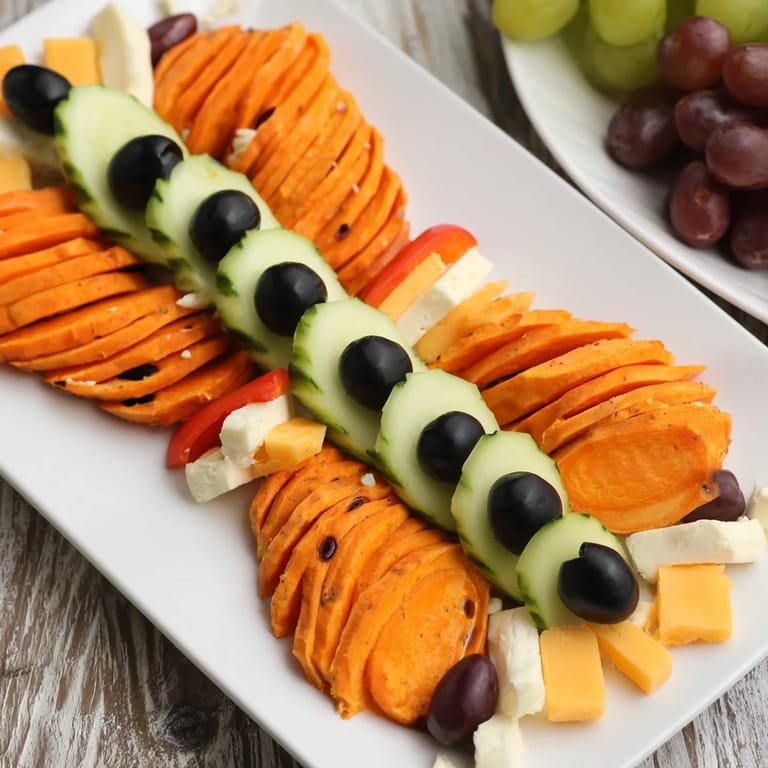
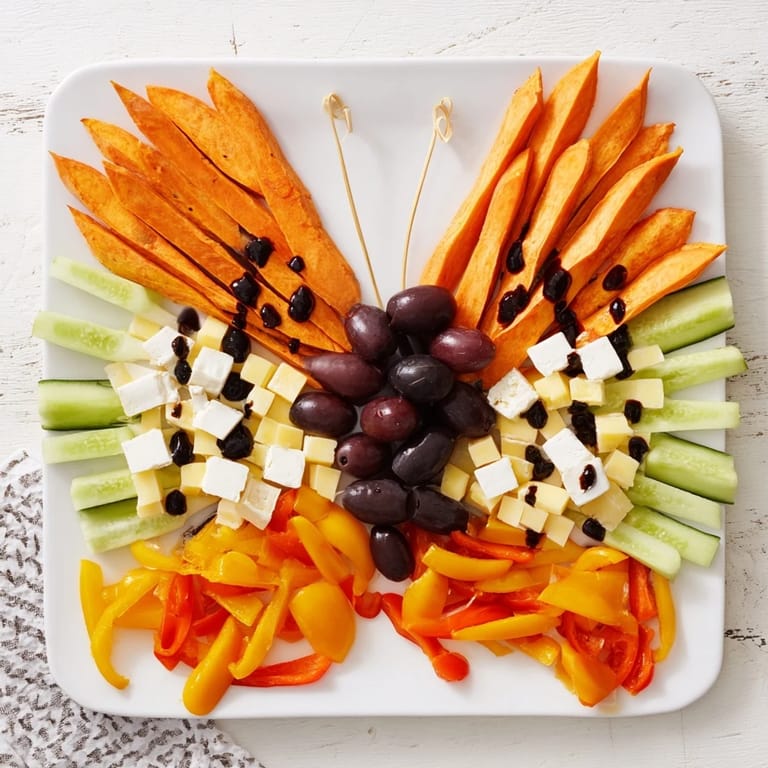
- Sweet potato, thinly sliced and roasted: The deep orange provides warmth and natural sweetness that makes you want to come back for another piece. Roasting brings out a subtle caramelization that transforms it from simple vegetable to something almost buttery.
- Carrot rounds: These stay crisp and add a clean crunch that contrasts beautifully with softer elements. Their bright orange is the most reliable, cheerful color on the platter.
- Orange bell pepper strips: These bring a fresh, slightly sweet flavor and that gorgeous glossy finish. I learned to slice them lengthwise—it creates more dramatic wing-like shapes.
- Cheddar cheese cubes: The sharpness cuts through the sweetness of the vegetables and adds a savory anchor. Room temperature cheese is easier to arrange and tastes better.
- Black olives, pitted and halved: These form the dramatic edges of the wings. The slight brininess is essential—it's what makes people keep reaching back.
- Black grapes, halved: They add moisture and a pop of color. I always taste one first to make sure they're sweet enough.
- Black sesame or rice crackers: These add texture and prevent the platter from feeling too soft or one-note. They're the crunch that makes the whole thing work.
- Balsamic glaze: A light drizzle here and there adds sophistication and depth. Use it sparingly—it's a whisper, not a shout.
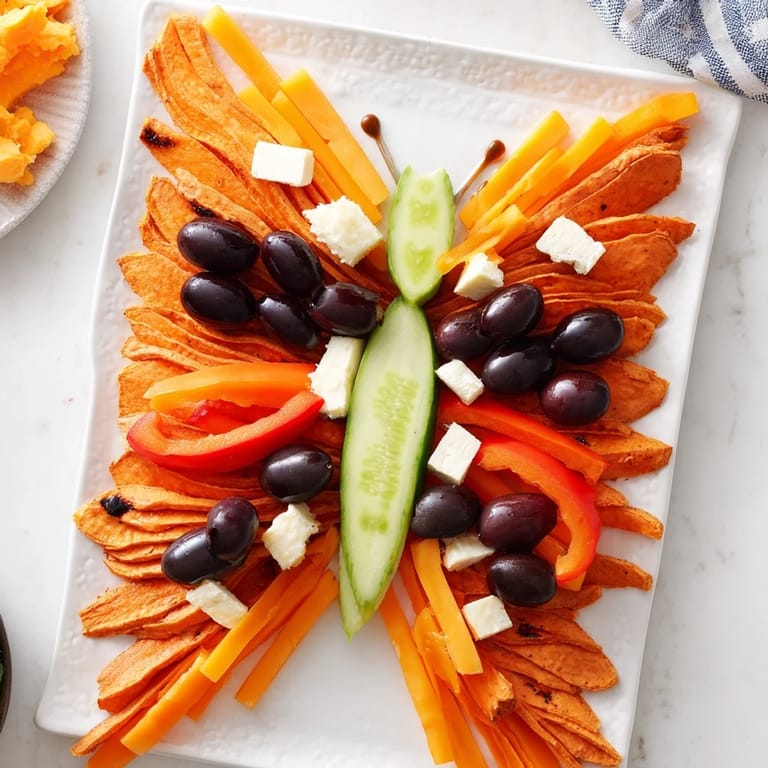
- Cucumber sticks for the body: The cool green center line grounds the whole design and gives structure to the butterfly form. Slice lengthwise for long, elegant pieces.
- Cream cheese, softened: This is your edible glue and your detail work. Softened means it spreads like butter, making those little white spots feel intentional and artistic.
- Fresh dill or microgreens: The antennae that bring everything to life. Even a small bunch transforms the platter from pretty to magical.
Tired of Takeout? 🥡
Get 10 meals you can make faster than delivery arrives. Seriously.
One email. No spam. Unsubscribe anytime.
Instructions
- Set up your ingredients like a painter preparing a canvas:
- Arrange everything on your counter before you touch the platter. Roast your sweet potato slices until they're tender at the edges, halve your grapes and olives, cube your cheese. This is the difference between relaxed arranging and frantic scrambling. Pour yourself something to drink—you're about to create something beautiful, and it should be enjoyable.
- Create the butterfly's spine:
- Lay your cucumber sticks down the center of your platter in a long line. This is your anchor. Step back and look at it. This simple green line is what turns scattered vegetables into a butterfly. It matters more than you'd think.
- Build the upper wings with orange:
- Start arranging your orange elements above the cucumber line in a fan or wing pattern. Sweet potato, carrot, bell pepper—let them overlap slightly, creating layers. Work from the center outward. This is where you get to be intuitive. There's no single right way, just your way.
- Mirror the design below:
- Repeat your orange pattern below the cucumber line. This symmetry is what makes it read as butterfly wings. Stand back frequently. Adjust as you go. You're not locked into anything yet.
- Add the dramatic black edges:
- Now comes the contrast that makes everything pop. Tuck your black olives and grapes into the spaces between orange sections, working toward the outer edges of the wings. These form the signature dark border of the monarch wing. Let them cluster. Let them breathe. The imperfection is where the beauty lives.
- Scatter black crackers for texture:
- Distribute your black crackers among the black elements. They catch the light differently and add a sophisticated crunch. They're also an invitation—people know these are meant to be eaten.
- Add the artist's touches:
- Use a small spoon to dot cream cheese along the black edges, mimicking the white spots of a real monarch wing. Drizzle just a touch of balsamic glaze in thin lines if you like. These details separate a nice platter from something people remember.
- Crown it with antennae:
- Place your dill or microgreens at the top of the cucumber body. Stand back. You've just built edible art.
- Serve with intention:
- Bring it to the table and let people admire it for a moment before the eating begins. Let them know this is meant to be interactive—build your own flavor combinations, explore the colors, enjoy the moment.
 Pin It
There's a moment that happens at every gathering where someone who wasn't planning to take much food fills a small plate entirely from this platter. They try a combination they never would have thought of—maybe sweet potato with olive and microgreen—and their eyes light up. That's when I know this dish has done what it was meant to do: bring people together through beauty and flavor.
Building Your Own Butterfly
One of the secrets to why this platter works is that it invites participation. Guests aren't just eating—they're creating. Someone will take the carrot and cheddar together. Someone else will pair grapes with crackers. The beauty of this design is that there's no wrong answer. Every combination tells a small story about who's eating it. I've found that when people build their own plates from a beautiful spread, they eat more slowly, taste more deliberately, and actually enjoy the gathering more. It transforms the appetizer from something consumed to something experienced.
Variations and Seasonal Moments
The monarch butterfly is just the beginning. I've made autumn versions using butternut squash and beets, summer versions with fresh corn and golden tomatoes, and holiday versions with pomegranate seeds and pistachios replacing some of the black elements. The structure stays the same—symmetrical wings, contrasting colors, that cucumber spine—but the ingredients shift with what's fresh and beautiful. I learned early on that this platter is less about following a recipe exactly and more about capturing a moment in time with vegetables and color.
Making It Your Own
The first time someone asked if I could make this vegetarian and gluten-free, I realized how flexible this platter actually is. It already is both, as long as you choose your crackers carefully. But beyond that, I've learned that the best versions of this recipe are the ones where you make choices based on what you love and what your guests enjoy. Hate olives? Use something black and beautiful instead—black beans, blackberries, black radish slices. Allergic to dairy? Hummus or nut cheese creates the same binding effect. This platter is permission to make something gorgeous exactly as you want it to be.
- Remember that you can prepare components hours ahead and assemble on the platter just before guests arrive—this keeps vegetables fresh and crisp
- If you're nervous about the arrangement, sketch a quick butterfly shape on paper first, then use it as your guide while arranging
- The cream cheese dots are optional but they really do elevate the whole thing—they add sophistication and make it feel intentional
 Pin It
 Making food that looks like art is one of life's quiet joys. This butterfly will disappear from your platter faster than you'd expect, but the moment of delight on someone's face—that lasts forever.
Recipe Questions & Answers
- → What ingredients create the orange wing sections?
Roasted sweet potato slices, carrot rounds, orange bell pepper strips, and cubed cheddar cheese form the bright orange areas.
- → How is the butterfly body represented on the platter?
Long cucumber sticks are arranged down the center to mimic the monarch's body line.
- → What adds the black elements to the wing design?
Halved black olives, black grapes, and black sesame or rice crackers create the dark edges and spots.
- → How are the white spots on the wings made?
Small dots of softened cream cheese are carefully placed along the black edges to resemble white wing spots.
- → Can the orange components be substituted?
Yes, roasted butternut squash or orange cherry tomatoes offer flavorful alternatives for the orange elements.
- → What garnish adds a finishing touch to the display?
Fresh dill or microgreens placed atop the cucumber 'body' add visual antennae and a fresh herbal note.