 Pin It
 There's something quietly magical about roasted parsnips that I didn't fully appreciate until a crisp October afternoon when my neighbor brought over a basket of them from her garden. I'd walked past parsnip soup on menus countless times, assuming it was just another root vegetable affair, but then I actually tasted what she'd made and understood immediately why she'd kept the recipe close. The sweetness that emerges from roasting transforms what could be earthy and one-note into something almost buttery and complex. That day changed how I thought about this humble vegetable entirely.
I made this for my sister during that strange winter when we were all cooking constantly to stay sane, and she actually asked for the recipe after the first spoonful. She's not one for sentimentality about food, so it stuck with me that she wanted to recreate it. Now when October rolls around and the farmers market is full of parsnips, I think of her kitchen and how we FaceTimed while we both made it, comparing our roasting pans like it mattered who got the better color first.
Ingredients
- Parsnips: Buy firm ones without soft spots, and don't peel them too early or they'll oxidize and turn an odd color—prep them just before roasting.
- Onion and garlic: These form the flavor base, so don't skip roasting them with the parsnips, it makes them sweet rather than sharp.
- Potato: Acts as a natural thickener without cream, which means you can keep the soup lighter than it tastes.
- Vegetable stock: The good stuff matters here since there aren't many ingredients to hide behind—homemade is wonderful if you have it.
- Whole milk or plant-based milk: Adds richness at the end without making it heavy; add it off heat to keep everything velvety.
- Olive oil: Two tablespoons for roasting, plus extra for drizzling—use something you actually enjoy the taste of.
- Bay leaf and thyme: These anchor the herbaceous flavor, so don't assume they're optional or just background noise.
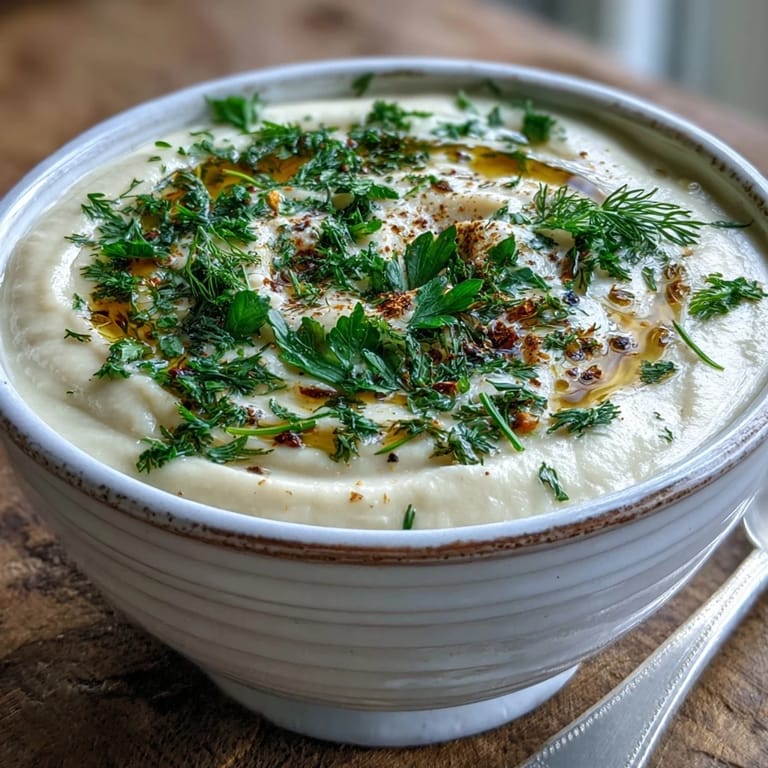
- Fresh herbs for finishing: Parsley, chives, and dill bring brightness at the very end—this is where the soup goes from warm to vibrant.
Tired of Takeout? 🥡
Get 10 meals you can make faster than delivery arrives. Seriously.
One email. No spam. Unsubscribe anytime.
Instructions
- Get your oven ready:
- Preheat to 200°C (400°F) and let it come to full heat while you prep—a slow oven won't give you that gorgeous caramelization.
- Roast the vegetables:
- Toss your parsnip chunks, chopped onion, and whole garlic cloves with olive oil, spread them on a tray, and roast for 25–30 minutes, stirring halfway through so they color evenly. You're looking for deep golden edges and a caramel-like sweetness, not pale and steamed.
- Build the soup base:
- Transfer everything to a large saucepan, add your diced potato, bay leaf, thyme, white pepper, and stock. Bring it to a boil, then drop the heat and let it simmer gently for about 15 minutes until the potato is completely soft and starting to fall apart.
- Blend until smooth:
- Fish out the bay leaf, then use an immersion blender or transfer carefully to a regular blender and blend until there's not a single lump—the potato helps create body, but the texture should be entirely silky. Work in batches if using a traditional blender, and never fill it past halfway.
- Finish with milk and seasonings:
- Pour the soup back into the pan, stir in your milk slowly over gentle heat (don't let it boil or it can separate), and taste as you go with salt. This is when you dial in what you actually want to taste.
- Fresh herbs are the finale:
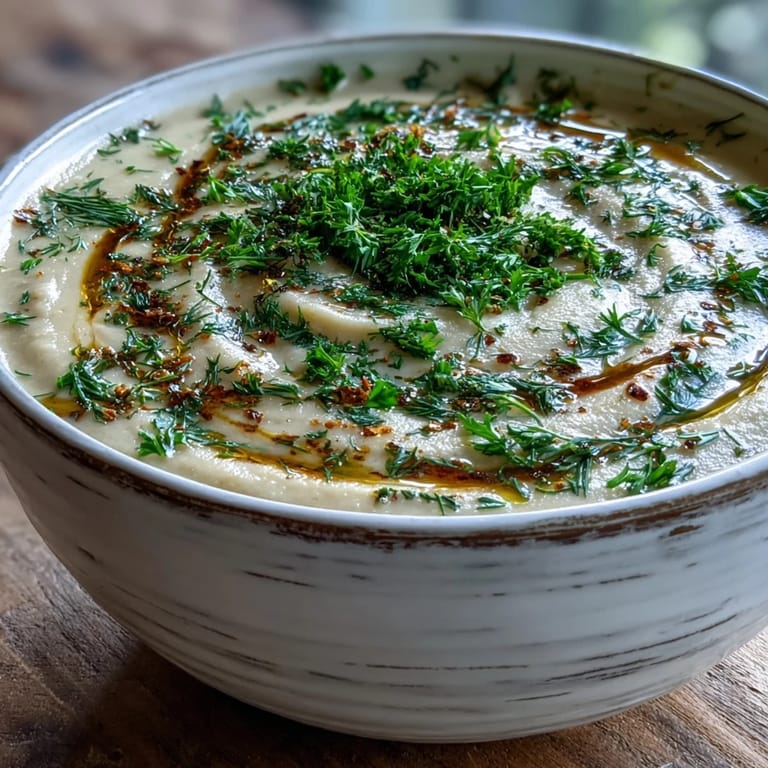
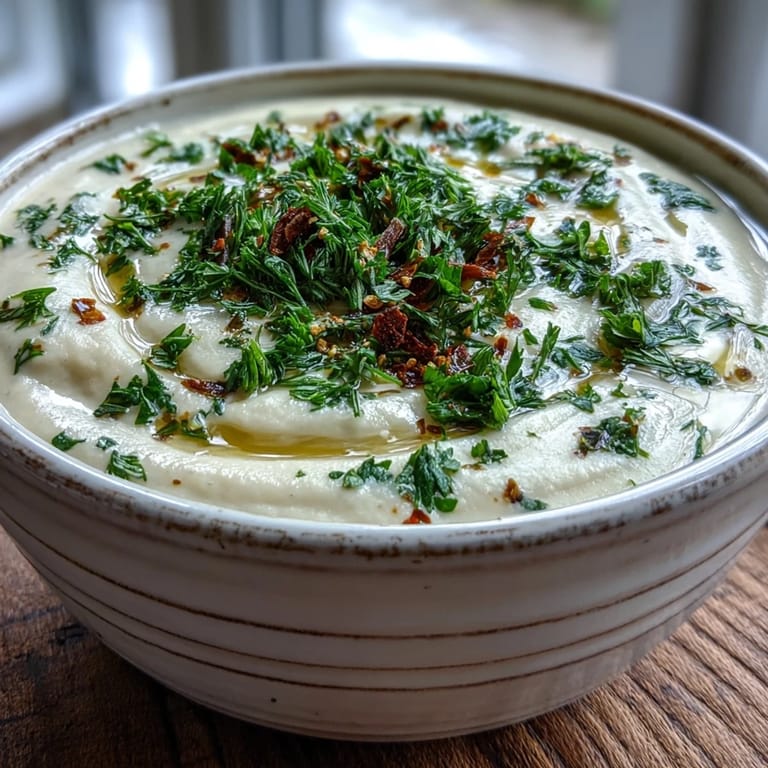
- Stir in the chopped parsley, chives, and dill just before serving so they keep their brightness and color—if you add them too early, they'll fade into the background.
 Pin It
Last spring my roommate came home from a difficult day and found this soup waiting in the fridge, and she sat at the kitchen counter and cried into a bowl of it in a way that had nothing to do with onions. Sometimes a simple meal becomes the thing that says what you can't quite articulate, and I've made this soup countless times since then, knowing it's one of those dishes that shows up when comfort actually matters.
Why Roasting Changes Everything
The roasting step is absolutely non-negotiable, not because roasting is trendy but because it's genuinely how parsnips become sweet instead of bitter. The dry heat in the oven concentrates their natural sugars and creates those caramelized edges that make the finished soup taste almost like something you'd find in a proper restaurant. Boiling or steaming parsnips gives you something watery and flat—I know because I tried to take a shortcut once and the soup tasted like disappointed vegetables.
The Texture Question
There's a real difference between soup that's smooth enough to be elegant and soup that's been over-blended into something that feels more like wallpaper paste. The potato is doing the heavy lifting here as a natural thickener, so you don't need a ton of cream or starch to achieve that creamy texture—blend it completely until you can't feel any graininess, but stop before it becomes something that clings to your spoon. I've found that using an immersion blender gives you more control and a slightly nicer result than a traditional blender, which can sometimes make soup too aerated and foamy.
Making It Your Own
This is a soup that practically begs for small tweaks based on what you have and what you're craving that day. The framework is solid, but the personality comes from what you finish it with, and that's actually what makes it fun to make repeatedly without boredom.
- A tiny pinch of nutmeg or even ground ginger adds warmth and complexity without announcing itself loudly.
- If you have fresh sage instead of thyme, use it—herbs are more flexible here than you'd think.
- Serve with really good bread because the bread is part of the whole experience, not an afterthought.
 Pin It
 This soup has become one of those recipes I return to without thinking, the way you might put on a favorite sweater when the weather turns. It's honest food that doesn't pretend to be something it's not, and somehow that simplicity is exactly what makes it feel like home.
Recipe Questions & Answers
- → Can I freeze this soup?
Yes, this soup freezes well for up to 3 months. Cool completely before transferring to airtight containers. Thaw overnight in the refrigerator and reheat gently, adding a splash of liquid if needed.
- → What herbs work best in this soup?
Parsley and chives provide the essential flavor base, while fresh dill adds a lovely aromatic touch. Thyme enhances the earthy parsnip notes during cooking. Feel free to adjust the herb combination to your taste.
- → How do I make it vegan?
Simply substitute the whole milk with unsweetened plant-based milk like oat, almond, or soy. Omit the cream garnish or use coconut cream or cashew cream as a delicious dairy-free alternative.
- → Why roast the vegetables first?
Roasting parsnips, onion, and garlic concentrates their natural sugars and creates a deeper, more complex flavor profile. This step transforms the soup from ordinary to exceptional with rich, caramelized undertones.
- → Can I use dried herbs instead of fresh?
For the finishing garnish, fresh herbs are essential as they provide brightness and color. However, you can use dried thyme during the cooking process—use half the amount since dried herbs are more concentrated.
- → What can I serve with this soup?
Crusty bread, warm rolls, or soda bread are perfect for dipping. A light green salad with vinaigrette balances the creamy richness. For a complete meal, pair with a grilled cheese sandwich or savory tart.