 Pin It
 There's something almost magical about the smell of roasted garlic filling your kitchen on a gray afternoon. I discovered this soup entirely by accident, really—I'd roasted far too much garlic for a dinner party and found myself staring at a bowl of golden cloves wondering what to do with them. My partner suggested soup, and I laughed because roasted garlic soup sounded too fancy for a last-minute save. But an hour later, we were both spooning into bowls of the most velvety, comforting thing I'd made in months, and suddenly it wasn't an accident anymore.
I served this to a friend who swears by store-bought soups, and watching her go back for seconds without even asking what was in it told me everything I needed to know. She still texts me asking for the recipe when she's feeling under the weather, which has become its own kind of comfort—knowing that something you made in your own kitchen became someone else's remedy.
Ingredients
- Garlic heads (3 large): The whole magic lives here; roasting mellows the sharp bite into something almost sweet and spreadable, so don't skimp on quality bulbs.
- Yellow onion (1 medium, chopped): Acts as the flavor foundation, building body and subtle sweetness that balances the richness.
- Celery stalk (1, chopped): Often overlooked but essential—it adds an earthy backbone that keeps the soup grounded.
- Carrot (1 medium, chopped): Brings natural sweetness and a gentle vegetal note that rounds out the garlic.
- Unsalted butter (2 tablespoons): Use real butter here; it carries the flavor of everything else and creates that silky mouthfeel you're after.
- Heavy cream (1/2 cup): This is what makes it velvety rather than thin, but don't overpour or it becomes one-dimensional.
- Vegetable broth (4 cups): The liquid canvas; I prefer homemade or low-sodium versions so you control the salt balance.
- Dried thyme (1/2 teaspoon): Herbal and subtle, it whispers in the background rather than shouting.
- Black pepper (1/4 teaspoon, freshly ground): Always fresh, always ground just before—pre-ground tastes like dust by comparison.
- Salt (1/2 teaspoon): Start conservative; you can always add more but you can't take it out.
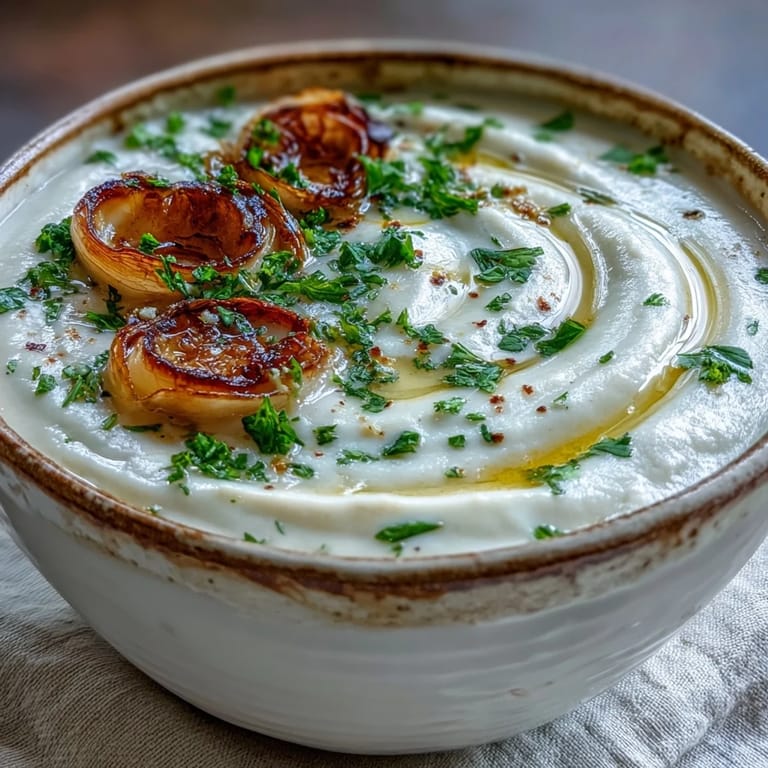
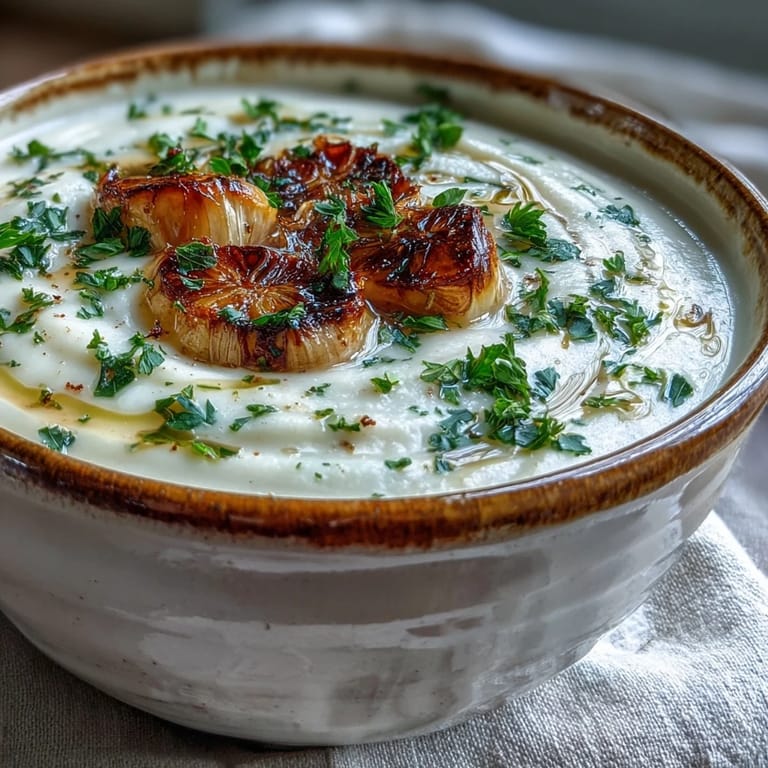
- Fresh parsley, croutons, and olive oil for garnish: These aren't afterthoughts—they add texture, freshness, and visual life to what could otherwise look one-note.
Tired of Takeout? 🥡
Get 10 meals you can make faster than delivery arrives. Seriously.
One email. No spam. Unsubscribe anytime.
Instructions
- Roast the garlic until it's golden and surrendered:
- Preheat your oven to 400°F and slice the very tops off your garlic heads so the cloves peek through. A light drizzle of olive oil, a wrap of foil, and into the oven they go for 35 to 40 minutes—you'll know they're ready when the kitchen smells incredible and the cloves look soft and caramelized.
- Let it cool and squeeze out the treasure:
- Once the garlic is cool enough to handle, you'll squeeze each clove right out of its papery skin—it comes out like soft butter, which is exactly what you want. Set these golden cloves aside and admire them for a second.
- Build your flavor foundation:
- Melt butter in a large pot over medium heat and let the onion, celery, and carrot soften together for about 5 to 7 minutes, stirring occasionally until the edges start turning golden. This is where patience pays off—don't rush it.
- Bring the roasted garlic into the party:
- Add those soft roasted cloves along with the thyme, salt, and pepper, stirring gently for about 2 minutes so everything gets acquainted. You'll smell the herbs waking up, which is your cue that things are happening.
- Add the broth and let it simmer:
- Pour in the vegetable broth, bring it to a gentle boil, then dial back the heat and let it bubble quietly for about 10 minutes. This gives all the flavors time to marry without breaking anything down too much.
- Blend until it's silk:
- Using an immersion blender, purée everything until the texture is completely smooth and velvety—no lumps, no hesitation. If you're using a countertop blender, work in batches and be careful with the hot liquid.
- Finish with cream and gentle heat:
- Stir in the heavy cream and let it warm through for 2 to 3 minutes on low heat, just enough to meld everything together without boiling. Taste and adjust the salt and pepper to your preference.
- Serve with intention:
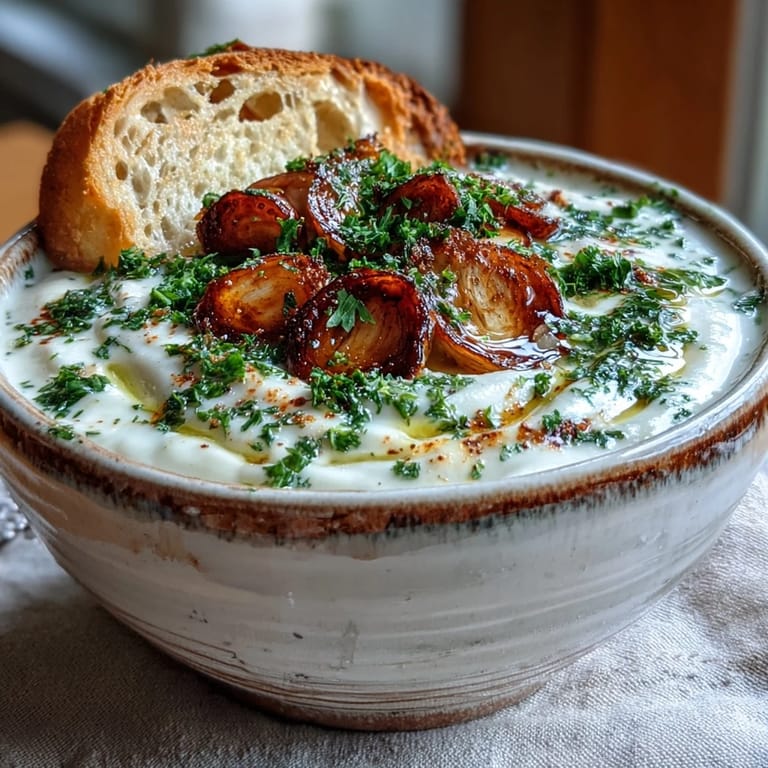
- Ladle into bowls and top with whatever speaks to you—fresh parsley for color, croutons for crunch, a drizzle of good olive oil for richness. This is the moment it becomes not just soup, but an experience.
 Pin It
What surprised me most wasn't how simple it was to make, but how many conversations happened around bowls of this soup. Something about serving something warm and nourishing to people you care about shifts the entire tone of a meal. It stopped being just dinner and became a moment where everyone slowed down.
Why This Works on Cold Days
There's a reason roasted garlic soup has been warming people up for generations—it hits on every comfort level. The slow roasting develops deep, almost caramel-like notes that feel less like cooking and more like alchemy. When you blend it smooth, you get something that tastes far more luxurious than the humble ingredient list suggests, and that element of pleasant surprise is what keeps people coming back.
Flexibility Without Losing the Plot
This soup takes modifications gracefully, which is one of its best qualities. A vegan version swaps the butter for olive oil and the cream for coconut cream without losing any character. You can add a pinch of cayenne if you want a whisper of heat, roast a few extra cloves if you want it more intense, or keep things exactly as written if you like the gentle approach. The foundation is strong enough to hold variations without falling apart.
Making It Your Own
I've learned that the best recipes are the ones you feel permission to tinker with, and this one invites tinkering. Some people swear by a crack of nutmeg; others add a splash of white wine after sautéing the vegetables. I once made it with garlic scapes in the spring and loved how bright it became. The spirit of the dish—silky, garlicky, warm—stays intact no matter what small choices you make along the way.
- Serve it with crusty bread for soaking, or pair it with a simple green salad to cut through the richness.
- Make it ahead and reheat gently on the stovetop; blended soups often taste even better the next day.
- This recipe easily doubles, and it freezes beautifully for up to three months—just thaw and reheat with a splash of broth.
 Pin It
 Make this soup when you need to feel like you're taking care of yourself, or when you want to take care of someone else without it feeling like a fuss. It's that kind of dish.
Recipe Questions & Answers
- → How does roasting garlic change the flavor?
Roasting transforms garlic's pungent raw flavor into something sweet, mellow, and nutty. The cloves become soft and caramelized, adding depth and subtle sweetness that infuses the entire soup with rich aroma.
- → Can I make this dairy-free?
Absolutely. Substitute butter with olive oil and replace heavy cream with full-fat coconut cream or cashew cream. The soup remains velvety and satisfying while accommodating vegan dietary needs.
- → How long will roasted garlic soup keep?
Store cooled soup in an airtight container in the refrigerator for up to 4 days. The flavors actually deepen and improve after a day. Reheat gently over medium-low heat, stirring occasionally to prevent scorching.
- → What can I serve with roasted garlic soup?
Crusty bread or gluten-free toast pairs beautifully for dipping. A crisp green salad with vinaigrette balances the richness. For extra protein, add shredded chicken or white beans directly to the soup.
- → Can I freeze this soup?
Yes, though cream-based soups can sometimes separate when frozen. For best results, freeze before adding heavy cream. Thaw overnight in the refrigerator, reheat, then stir in cream just before serving.
- → How do I get the smoothest texture?
An immersion blender works wonderfully directly in the pot. For ultra-smooth results, use a high-speed countertop blender and purée in batches, holding the lid securely with a towel to allow steam to escape safely.