 Pin It
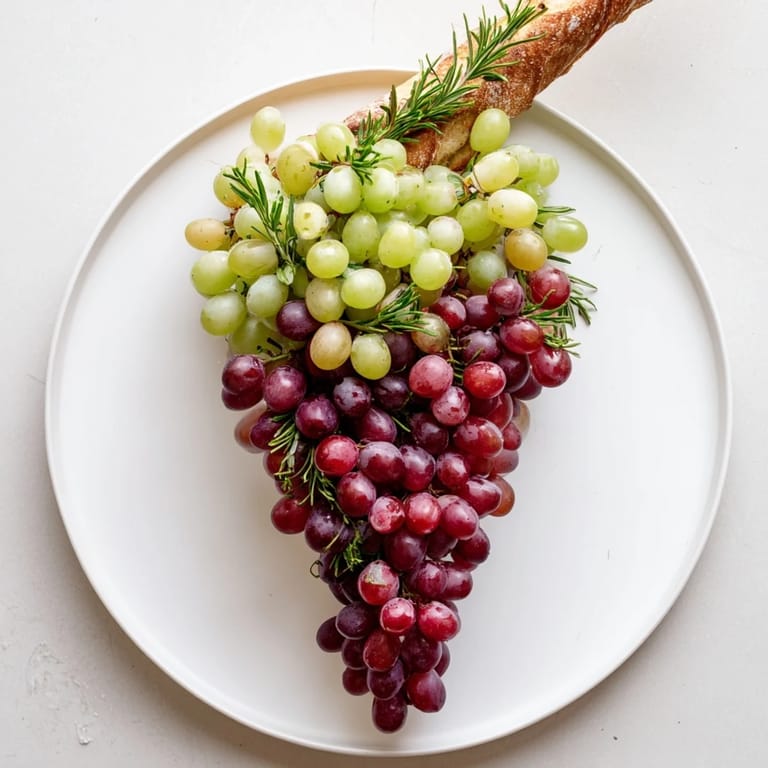
 I'll never forget the first time I saw a grape cluster drop at a Mediterranean wine tasting. There it sat on a rustic wooden table, this gorgeous cascade of jewel-toned grapes tumbling down like they'd just been plucked from a villa's vineyard, with a weathered breadstick cradled at the top like a real grapevine stem. Everyone at the party gravitated toward it before touching anything else on the table. That's when I realized: sometimes the simplest ingredients, arranged with a little intention, become unforgettable.
I made this for my best friend's surprise wine pairing dinner last spring, and watching her face light up when she walked into the room was worth every moment of careful grape arrangement. Her husband couldn't resist sneaking a handful before everyone even arrived, and by the end of the evening, the entire cluster had been lovingly dismantled by happy guests.
Ingredients
- Seedless green grapes (600 g / 1.3 lbs): These are your foundation, providing bright color and crisp sweetness. Buy them a day or two ahead so they're extra cold and firm when you arrange them—they hold their shape beautifully and won't bruise as easily
- Seedless red or black grapes (600 g / 1.3 lbs): The jewel tones of these create that stunning visual drama. Red grapes tend to be slightly sweeter, while black ones offer earthier complexity. Choose whichever speaks to your color palette
- Rustic baguette or thin breadsticks: This becomes your grapevine stem and adds a textural contrast guests love. A real baguette with its rough, natural edges feels more authentic than perfectly uniform breadsticks, but both work beautifully
- Fresh herbs (thyme, rosemary, or grape leaves): These aren't just decoration—they add aroma and authenticity, making your creation look like it actually came from a vineyard. A few sprigs tucked throughout elevate the whole presentation
Tired of Takeout? 🥡
Get 10 meals you can make faster than delivery arrives. Seriously.
One email. No spam. Unsubscribe anytime.
Instructions
- Wash and dry your grapes like you're preparing them for a gallery display:
- Gently rinse all grapes under cool water and pat them completely dry with a kitchen towel. Moisture is your enemy here—wet grapes slip and slide, making your careful arrangement collapse. Take your time with this step. Leave tiny clusters of 3 to 5 grapes still attached to their stems where possible; these natural groupings add organic texture to your final display
- Build your cascading teardrop shape:
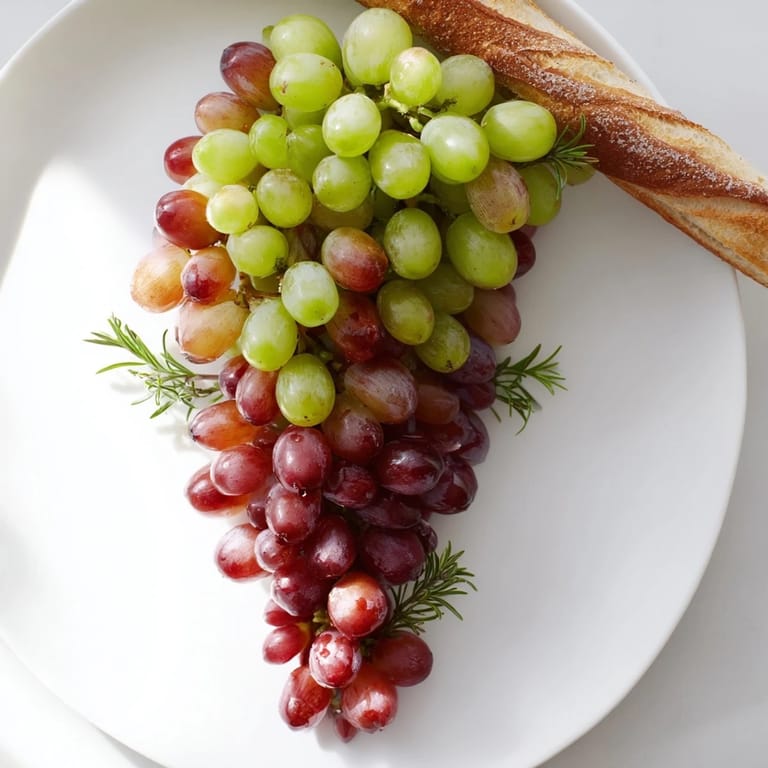
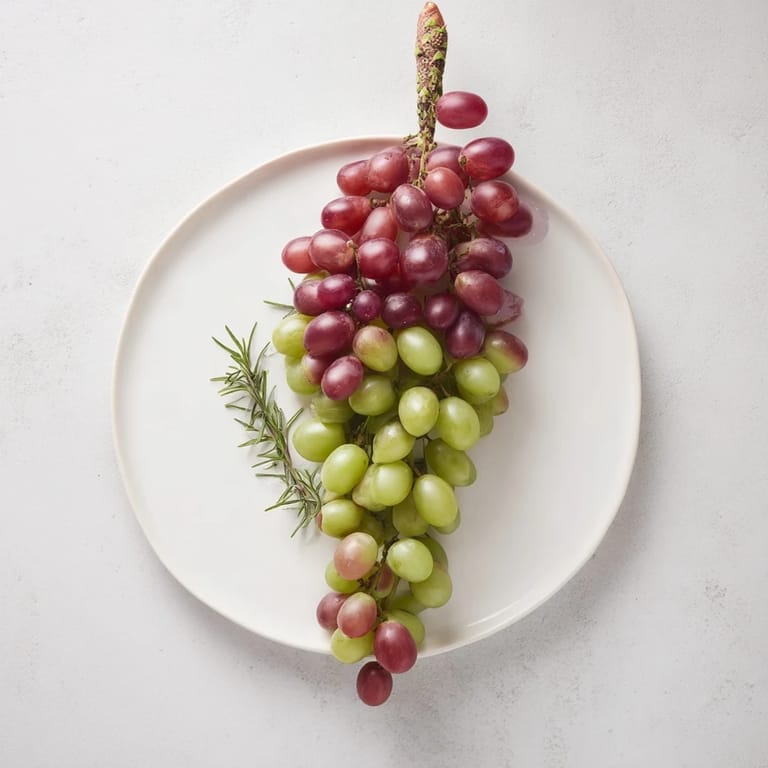
- On your largest platter or wooden board, start arranging grapes at the bottom in a wide formation, then gradually build upward and inward, creating a tapered teardrop or elongated cluster that points toward the sky. This takes patience and a gentle hand. Think of it like stacking, but with fruit—each grape nestles into the spaces created by those below it. Alternate your green and red grapes if you want that dramatic striped effect, or blend them for a jewel-like randomness
- Crown your creation with the stem:
- At the narrow top of your grape cluster, position your rustic baguette at a slight angle, as if it's naturally sprouting from the vines. If using breadsticks or salami, arrange them in a small bundle pointing upward. This is where the magic happens—suddenly your pile of grapes becomes unmistakably a grapevine
- Tuck in the finishing touches:
- Nestle fresh herb sprigs or actual grape leaves around the junction of cluster and stem, and scatter a few more throughout. These green accents break up the monotony of purple and green fruit, add incredible aroma when guests lean in close, and make the whole thing feel authentically vineyard-born
- Present with pride:
- Bring this to the table immediately. There's magic in the moment of reveal, in watching people's eyes widen before they even taste anything. Guests will understand intuitively that they can pull grapes and tear off bread pieces as they want, turning your centerpiece into an interactive experience
 Pin It
There's something almost sacred about bringing food to the table that makes people pause before they eat. This grape cluster does that. It shifts the entire mood of a gathering from 'nice appetizer' to 'special occasion,' and somehow it makes everyone feel more relaxed and connected, like we're all sharing something intentional and beautiful.
The Art of the Arrangement
The beauty of this dish lies entirely in its presentation. Unlike recipes bound by precise timing or exact measurements, this one rewards improvisation and your own aesthetic sense. If your cluster feels loose, it's not a failure—it's a different interpretation. Some of the most stunning ones I've seen had a more organic, tumbling quality rather than tight geometric perfection. Let your hands guide you, and trust that 1.2 kilos of grapes is enough visual weight to look abundant no matter how you stack them. The point is abundance and beauty, not Instagram-perfect uniformity.
Make It Your Own
The magic of a grape cluster drop is how easily it adapts to what you have on hand and what your guests actually need. Switch to gluten-free breadsticks if anyone's avoiding gluten, or skip the bread stem entirely and use only salami for a protein-forward version. Weave in cubes of creamy cheese, nuts, or dried figs between the grapes for textural surprise and nutrition. I've even seen versions where the stem is actually a thick herb bundle tied with twine, looking more like a dried bouquet than anything from a bakery. This isn't a recipe that demands strict adherence; it demands your creativity and generosity.
Wine and Pairing Magic
Serving this alongside wine transforms everything. A crisp white wine or sparkling rosé cuts through the natural sweetness of the grapes and makes both taste brighter. The bread or salami stem adds salinity and richness that makes wine taste luxurious. I've learned that when you pair food and drink thoughtfully, even simple ingredients suddenly feel like you're dining at a destination restaurant.
- Arrange your cluster on the same table where wine will be served so guests naturally move between grapes and sips
- Cut a few grapes in half before serving to release their juice and make them even more refreshing against wine
- Place small napkins nearby—grape fingers and wine glasses are a thing, and grace matters
 Pin It
 This recipe isn't really about grapes at all. It's about creating moments where people feel seen, where food becomes a language of care. Every time you arrange these grapes, you're saying something kind with your hands.
Recipe Questions & Answers
- → What types of grapes work best for this cluster?
Seedless green, red, or black grapes with firm texture are ideal to maintain freshness and ease of handling.
- → How do I create the realistic stem for the cluster?
Use a rustic baguette, breadsticks, or thin salami sticks arranged vertically to mimic a grapevine stem for a natural look.
- → Can I prepare this dish ahead of time?
It's best assembled just before serving to keep grapes fresh and prevent bread or salami from becoming soggy.
- → Are there gluten-free options for the stem?
Gluten-free breadsticks or using only salami sticks provide gluten-free alternatives without compromising appearance.
- → How can I enhance the presentation further?
Adding small sprigs of fresh herbs like thyme or rosemary, or grape leaves around the cluster enriches aroma and visual appeal.
- → What pairings complement this grape cluster?
Serve alongside crisp white wines or sparkling rosés for a perfect flavor combination that highlights freshness.